








Pembrokeshire is one of Wales’ most appealing destinations, offering an impressive combination of rugged coastline, golden beaches, historic landmarks, charming villages and outdoor adventures. From peaceful coastal walks and wildlife encounters to medieval castles and lively seaside towns, the region gives travellers plenty of ways to build a memorable itinerary. It is equally suitable for families, couples, solo travellers and anyone who enjoys discovering beautiful natural landscapes.
This guide to things to do in pembrokeshire brings together some of the county’s most worthwhile attractions and experiences. Whether you are visiting for a weekend or planning a longer Welsh holiday, you can mix famous landmarks with quieter beaches, scenic villages and outdoor activities. The key is to leave enough flexibility for changing weather and to choose experiences that match your interests and available time.
Why Pembrokeshire Is Worth Visiting
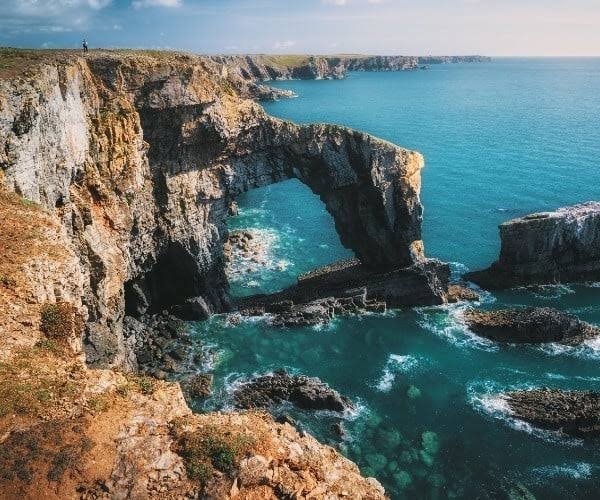
Pembrokeshire has a rare combination of natural beauty and cultural heritage. The coastline is the obvious highlight, with dramatic cliffs, sandy bays, rocky headlands and peaceful coves creating constantly changing scenery. The Pembrokeshire Coast Path makes it possible to experience much of this landscape on foot, while beaches such as Barafundle Bay, Whitesands Bay and Tenby’s beaches offer opportunities to relax beside the sea. The scenery is especially attractive for photographers and walkers who enjoy varied coastal landscapes.
There is much more to discover beyond the shoreline. St Davids provides historic architecture and a distinctive city atmosphere, while Tenby combines beaches, colourful streets and seaside attractions. Pembroke Castle, Carew Castle and Manorbier Castle add historical depth, and wildlife-rich islands such as Skomer provide memorable experiences for nature lovers. With so much variety in a relatively compact region, visitors can create anything from an active outdoor holiday to a relaxed sightseeing break.
Best Coastal Attractions and Beaches
The Pembrokeshire coastline is central to many of the best things to do in pembrokeshire, and the variety of beaches means there is something for different types of travellers. Barafundle Bay is known for its beautiful setting and secluded feel, while Whitesands Bay near St Davids provides a wide stretch of sand surrounded by impressive coastal scenery. Tenby offers the convenience of having several beaches close to a historic seaside town, making it particularly useful for families and visitors who want attractions, restaurants and accommodation nearby.
Other beaches worth considering include Freshwater West, Newgale, Marloes Sands and Broadhaven South. Each has its own character, from surfing conditions and open coastal landscapes to quieter surroundings suitable for walking and photography. Visitors should remember that coastal conditions can change quickly, particularly on exposed beaches. Checking tide information, weather forecasts, local safety guidance, parking arrangements and seasonal restrictions before setting out can make a beach visit safer and more enjoyable.
Explore St Davids, Tenby and Historic Pembrokeshire
St Davids is one of the region’s most distinctive destinations and deserves more than a quick stop. St Davids Cathedral provides an impressive introduction to the area’s religious and architectural history, while the nearby Bishop’s Palace offers another glimpse into its medieval past. The city itself is enjoyable to explore at a slower pace, with galleries, independent shops, cafés and access to surrounding coastal scenery. Visitors can easily combine cultural sightseeing with a coastal walk or wildlife experience.
Tenby offers a completely different atmosphere, combining historic character with the appeal of a traditional seaside resort. Its harbour, beaches, colourful buildings and town walls make it easy to spend several hours exploring without needing a packed schedule. History enthusiasts should also include Pembroke Castle, Carew Castle or Manorbier Castle in their plans. These sites provide an opportunity to discover more about the region’s past while adding variety to an itinerary focused mainly on beaches and outdoor activities.
Wildlife, Islands and Outdoor Adventures
Pembrokeshire is an excellent destination for wildlife enthusiasts because its coastline and offshore islands support a wide range of marine and bird species. Depending on the season and conditions, visitors may encounter seals, seabirds, dolphins and porpoises. Boat trips can offer a different view of the coastline while creating opportunities for responsible wildlife observation. Skomer Island is particularly attractive to nature lovers, while Skokholm provides another remote setting for birdwatching and coastal exploration.
Adventure seekers have plenty of choices as well. Coasteering, surfing, kayaking, paddleboarding, cycling and sea swimming allow visitors to experience the landscape more actively. Beginners should consider organised sessions with qualified instructors, particularly for activities affected by tides, currents and waves. Even experienced visitors should check local conditions before entering the water. Wearing appropriate equipment and respecting safety advice is essential when enjoying Pembrokeshire’s exposed coastline.
Hidden Gems, Family Attractions and Scenic Experiences
Some of the most rewarding things to do in pembrokeshire can be found away from its busiest attractions. Villages such as Solva, Porthgain, Little Haven and Angle provide a quieter side of the county, with harbour scenery, coastal paths and distinctive local character. These destinations are ideal for travellers who enjoy slow exploration rather than moving rapidly between major attractions. A short walk, local meal or photography stop can often turn a small village into one of the highlights of a trip.
Families can also find plenty of activities beyond the beaches. Folly Farm Adventure Park and Zoo provides a dedicated day out, while Oakwood Theme Park offers rides and entertainment for visitors seeking something more energetic. Gardens and countryside attractions such as Colby Woodland Garden and Picton Castle & Gardens provide another option when families or couples want a slower experience. Having a mixture of outdoor, indoor and weather-flexible activities makes planning easier, particularly during unpredictable Welsh weather.
Practical Tips for Planning Your Pembrokeshire Trip
The number of things to do in pembrokeshire means that planning your location and transport can make a significant difference. Tenby is convenient for beaches, restaurants and seaside attractions, while St Davids is particularly useful for visitors interested in coastal scenery, walking and heritage. Pembroke can work well for travellers focusing on castles and southern Pembrokeshire. Accommodation options range from hotels and guesthouses to cottages, campsites and holiday parks, with summer availability often requiring advance planning.
A car provides greater flexibility for reaching remote beaches, villages and rural attractions, although narrow roads and limited parking can become challenging during busy periods. Public transport can support a car-free trip when activities are planned around available services, particularly between larger settlements. Whatever your transport choice, pack comfortable footwear, waterproof clothing and layers. Always check current opening hours, booking requirements, weather conditions, tide information and local guidance before visiting attractions or taking part in coastal activities.
How to Make the Most of Your Visit
A short trip does not need to cover the entire county. With one day, it is better to concentrate on a single area, such as Tenby and its surrounding coastline or St Davids and nearby attractions. Two or three days allow you to combine beaches, historic sites, a section of the coast path and one or two towns. Longer stays provide the freedom to explore smaller villages, wildlife destinations and quieter corners without constantly watching the clock.
The most enjoyable itinerary usually balances famous attractions with unplanned time. A morning coastal walk can be followed by a historic site, while a beach visit can be combined with a nearby village or local restaurant. Spring and summer are particularly attractive for outdoor activities and longer daylight hours, while autumn can provide quieter conditions and beautiful coastal scenery. Winter offers a peaceful atmosphere for heritage visits and brisk walks, although shorter days and changing weather require more careful planning.
Conclusion
Pembrokeshire offers far more than a collection of beautiful beaches. Its combination of dramatic coastline, historic castles, charming towns, wildlife-rich islands, family attractions and outdoor adventures makes it one of Wales’ most versatile destinations. Visitors can spend their holiday walking along cliffs, exploring medieval landmarks, watching wildlife, relaxing beside the sea or discovering small communities away from the main tourist routes.
The best things to do in pembrokeshire depend on the type of experience you want and the amount of time available. Rather than trying to see everything, choose a few major attractions and leave space for quieter discoveries. Check current local information before travelling, remain flexible around the weather and respect the natural environment. With thoughtful planning, Pembrokeshire can provide an enjoyable and memorable escape in every season.
FAQs About Things to Do in Pembrokeshire
What are the best things to do in Pembrokeshire?
Some of the most popular experiences include exploring the Pembrokeshire Coast Path, visiting St Davids, discovering Tenby, touring historic castles and spending time on the region’s beaches. Wildlife trips, island visits and activities such as kayaking or coasteering are also excellent choices for travellers seeking something more adventurous.
Is Pembrokeshire worth visiting?
Yes, particularly if you enjoy coastal scenery, beaches, history, wildlife and outdoor activities. The region offers enough variety to suit different travel styles, whether you want a peaceful seaside break, a family holiday, a walking trip or a more active adventure focused on the coast.
What is Pembrokeshire famous for?
Pembrokeshire is best known for its spectacular coastline, beaches, coastal walking routes, wildlife and historic attractions. St Davids, Tenby, Pembroke Castle and the offshore islands are among its most recognisable destinations, while the smaller villages and hidden coastal locations provide a quieter side of the region.
Can you visit Pembrokeshire without a car?
Yes, although having a car provides more flexibility, particularly for reaching remote beaches and smaller villages. Trains, buses and walking routes can support a car-free visit when accommodation and activities are chosen carefully. Checking current transport timetables before travelling is important because rural services can be less frequent.
How many days do you need in Pembrokeshire?
Two or three days can provide a good introduction to the area, while five days or more allow a much slower and more comprehensive experience. Longer visits make it easier to combine beaches, historic attractions, coastal walks, wildlife experiences and smaller villages without rushing between locations.
You may also read: What Is a Ruby Wedding Anniversary?