


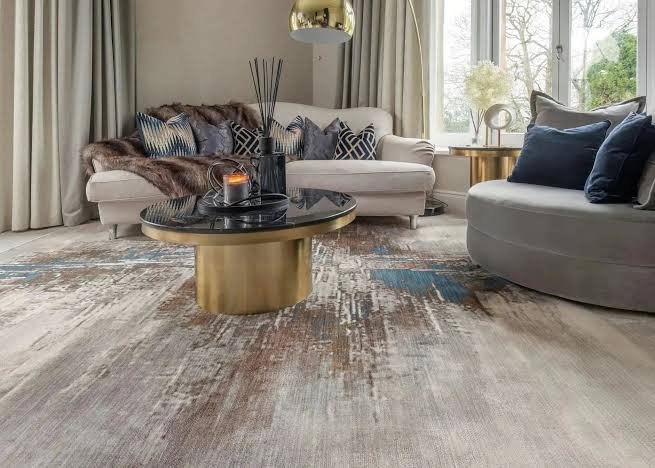



Choosing the right rug can transform a living room from a collection of separate furniture pieces into a comfortable, coordinated space. The best large rugs for living room interiors provide more than visual appeal. They can define seating areas, introduce texture, add warmth underfoot and bring different colours together. However, finding the right option requires more than choosing a pattern you like. Size, placement, material, maintenance and the existing décor all deserve consideration before making a purchase.
A well-selected rug can also influence how spacious or intimate a room feels. An oversized design can help anchor furniture in a large lounge, while a poorly sized rug may make the room appear disconnected. Before browsing colours and patterns, consider the dimensions of your space and the arrangement of your furniture. This approach makes it easier to choose a rug that looks attractive while remaining practical for everyday living.
Why Choose Large Rugs for Living Room Spaces?
A large rug can become the visual foundation of a living room by bringing the main seating arrangement together. Instead of having a sofa, armchairs and coffee table appear as individual objects scattered across the floor, the rug creates a defined zone. This is especially useful in spacious rooms where furniture can sometimes look lost or disconnected. A suitably sized rug gives the arrangement a stronger sense of proportion and makes the space feel deliberately designed.
There are practical advantages too. Rugs can make hard floors feel warmer, provide a softer surface underfoot and contribute additional texture to the room. They can also help soften the acoustics of rooms with timber, laminate or tiled flooring. For busy households, choosing a durable and easy-care material means the rug can provide these benefits without becoming difficult to maintain.
How to Choose the Right Rug Size
Rug size should be one of the first decisions you make. Popular large rug dimensions include 200 x 300 cm, 240 x 340 cm and 300 x 400 cm, although exact sizes vary between retailers. The right choice depends on the dimensions of your room and, more importantly, the size of your seating arrangement. A rug should generally feel connected to the furniture rather than appearing like a small island underneath the coffee table.
Measure the area occupied by your sofa, chairs and coffee table before shopping. You can also use masking tape to mark the approximate rug dimensions directly on the floor. This makes it easier to judge how much flooring will remain visible around the edges. Check nearby doors, walkways and furniture as well, because a large rug should enhance the room without restricting normal movement.
| Rug Size | Suitable For | Common Placement |
|---|---|---|
| 200 x 300 cm | Medium to large living rooms | Front legs of seating on the rug |
| 240 x 340 cm | Spacious living rooms | Main seating arrangement anchored together |
| 300 x 400 cm | Very large or open-plan rooms | Multiple furniture pieces on the rug |
| Custom or extra-large | Oversized rooms | Bespoke furniture layouts |
These measurements should be treated as useful starting points rather than strict rules. Furniture proportions can make the same rug look completely different in two rooms. If the room is particularly large, a bigger rug may create a more balanced result. Conversely, a smaller living room may benefit from leaving more visible flooring around the rug so the space does not feel crowded.
Best Large Rug Styles for Living Rooms
Modern rugs are available in countless designs, from subtle geometric patterns to bold abstract artwork. Contemporary options often work well with streamlined sofas, minimalist furniture and neutral interiors. Traditional, vintage-inspired and Persian-style designs can add character to rooms featuring classic furniture, timber flooring or richer decorative details. The ideal style is the one that complements the personality of the room rather than competing with its existing features.
Colour is equally important. A neutral rug can provide a calm foundation when the room already contains colourful furniture or accessories, while a patterned design can bring interest to an otherwise understated interior. Look at the colours already present in cushions, curtains, artwork and furniture. The rug does not need to match everything exactly; repeating one or two complementary tones is often enough to create a cohesive appearance.
Choosing the Right Rug Material
The material affects how a rug feels, performs and needs to be maintained. Wool is a popular choice because of its natural texture, softness and premium appearance. Cotton can provide a lighter and more casual feel, while synthetic fibres such as polypropylene and polyester are often selected for their practical characteristics and broad range of designs. The best material depends on how the room is used and what qualities matter most to your household.
Do not judge durability by fibre type alone. Construction, pile height, backing and overall manufacturing quality can have a major effect on performance. A thick, luxurious rug may feel wonderful underfoot but require more effort to clean and move. A lower-pile design can be easier to vacuum and may work better in a high-traffic area. Always check the manufacturer’s care instructions before purchasing.
Large Rugs for Different Living Room Layouts
One of the most flexible arrangements is to place the front legs of the sofa and chairs on the rug while leaving their rear legs on the floor. This approach visually connects the seating without requiring an exceptionally large rug. It can work particularly well when the room has limited floor space but you still want the rug to define the main seating area.
In a larger lounge, placing the complete seating arrangement on the rug can create a more generous and sophisticated appearance. This normally requires a significantly larger design, but the result can feel especially cohesive. In open-plan homes, a large rug can also distinguish the living area from an adjacent dining or kitchen zone without using partitions, helping the overall floor plan feel organised.
Modern and Traditional Rug Styles
Modern rugs are well suited to contemporary homes where clean lines, simple furniture and understated decoration dominate. Geometric patterns, soft neutrals and abstract designs can add personality without overwhelming the room. For minimalist interiors, texture can sometimes be more effective than a busy pattern because it creates visual depth while preserving the calm character of the space.
Traditional rugs offer a different kind of appeal, often featuring intricate motifs, aged effects and rich colour combinations. They can introduce warmth and visual history to a room, particularly when paired with wooden furniture or classic decorative elements. Vintage-inspired designs can also work effectively in modern spaces because their detailed patterns create an interesting contrast with contemporary furniture.

Washable and Easy-Care Large Rugs
Washable rugs are attractive to households that prioritise convenience, especially where children, pets or frequent visitors can increase the likelihood of spills and everyday dirt. However, it is important to read the manufacturer’s instructions carefully. A rug described as washable may not mean that every available size can be placed in a standard household washing machine, particularly when dealing with very large dimensions.
Maintenance should therefore be considered before purchase rather than after a problem occurs. Lower-pile rugs may be easier to vacuum and handle, while some larger or heavier designs may require specialist cleaning. Think about where the rug will be used, how much traffic it will receive and how realistically you can maintain it over several years.
Luxury and Bespoke Large Rugs
Luxury rugs can become a defining feature of a living room. Hand-knotted, hand-tufted and carefully woven designs can provide distinctive textures and detailed patterns that are difficult to replicate with mass-produced alternatives. Natural fibres and specialist craftsmanship can increase the cost considerably, so shoppers should compare construction, materials and finishing details rather than assuming a higher price automatically means better quality.
Bespoke rugs can be particularly valuable when standard dimensions do not fit the room properly. An unusually shaped seating area, exceptionally large lounge or open-plan layout may benefit from a custom-sized design. Before ordering, confirm the precise measurements, materials, production times, care requirements and return conditions. Custom products may have different terms from standard rugs, so understanding these details in advance is important.
Affordable Large Rugs and Better Value
A stylish living room does not necessarily require an expensive rug. Affordable options are available in many colours, patterns and materials, allowing homeowners to update their interiors without replacing larger furniture pieces. When comparing different products, look beyond the headline price and consider the actual dimensions. Comparing the cost relative to the amount of floor coverage can provide a more meaningful picture of value.
Construction and maintenance should also influence your decision. A very inexpensive rug may not provide the durability, backing or finish required for a heavily used room. Sales and clearance collections can offer worthwhile savings, but always confirm that the available size, material and design suit your needs. A well-chosen mid-range rug may offer better long-term value than the cheapest option available.
How to Position a Large Rug Correctly
The purpose of rug placement is to create visual and physical connection between the major elements of the room. Positioning the rug beneath the coffee table while leaving every other piece of furniture outside it can sometimes make the seating arrangement look fragmented. Bringing at least the front legs of the main seating onto the rug often produces a stronger sense of unity.
Before finalising the position, check the surrounding walkways and doors. A thick rug may interfere with door clearance, while an unsecured rug can shift when people walk across it. A suitable rug pad or underlay can help improve stability and comfort, depending on the rug and flooring. Correct placement should make the room easier to use, not simply more attractive in photographs.
Matching a Rug With Existing Décor
The easiest way to choose a complementary rug is to start with the colours already established in the room. Consider the sofa, flooring, walls, curtains, cushions and artwork before deciding on a design. A rug can repeat an existing accent colour or introduce a related shade to create contrast. Exact colour matching is rarely necessary, and too much matching can sometimes make an interior appear overly coordinated.
Texture is another powerful design tool. A simple neutral rug can still make a significant difference when it has an interesting weave or pile. Conversely, a detailed patterned rug can become the room’s focal point. Consider how natural daylight and evening lighting affect the colours before making a final choice, particularly when purchasing online.
Caring for Large Living Room Rugs
Regular care helps preserve a rug’s appearance and prevents everyday dirt from becoming deeply embedded. Vacuum the rug according to the manufacturer’s recommendations, paying particular attention to entrances and areas around seating where foot traffic is concentrated. Avoid aggressive cleaning products or methods unless they are specifically suitable for the rug’s material and construction.
Spills are generally easier to manage when addressed promptly using the recommended cleaning method. Handmade, natural-fibre or heavily soiled rugs may benefit from professional cleaning rather than unsuitable home treatments. Rotating the rug periodically can also help distribute wear more evenly, especially when furniture and foot traffic consistently affect the same areas.
Common Mistakes to Avoid
Choosing a rug that is too small is one of the most common mistakes when furnishing a living room. Even an attractive design can look disconnected if it sits only beneath the coffee table while the sofa and chairs remain completely outside its boundaries. Measuring the intended furniture footprint first can make the final selection much more successful.
Other mistakes include ignoring cleaning requirements, selecting a colour without considering the lighting and forgetting practical details such as door clearance. It is also worth checking the rug’s backing and whether an underlay is recommended. A good rug should fit the room visually while also being suitable for the way the space is actually used.
Where to Buy Large Rugs
When shopping online, examine the full product specification rather than relying entirely on lifestyle photographs. Check the exact measurements, material, pile height, backing, care instructions and available colours. Product photography can sometimes make rugs appear larger or different in colour because of lighting, camera angles and screen settings, so detailed descriptions and customer reviews can provide useful additional context.
Specialist rug retailers may provide a broader selection of sizes and materials, while furniture and department stores can offer convenient designs that coordinate with other home products. Whichever retailer you choose, review delivery and return conditions before ordering. A very large rug can be more difficult to transport and return than a smaller one, making the retailer’s policy particularly important.
Final Buying Checklist
Before buying, measure both the room and the furniture arrangement. Decide how you want the rug to interact with the sofa and chairs, then choose a size that provides enough coverage without making walkways uncomfortable. After that, consider the material, pile, colour, pattern and cleaning requirements. This process helps ensure that appearance does not overshadow practical considerations.
It is also useful to mark the proposed rug dimensions on the floor before placing an order. This simple test can reveal whether the design will leave enough visible flooring and whether furniture will sit comfortably within the intended area. By considering measurements, lifestyle and décor together, you can make a more confident choice that remains attractive and functional.
Conclusion
The right large rugs for living room spaces can provide a strong visual anchor while making the room warmer, more comfortable and better organised. The most successful choice is not necessarily the biggest or most expensive rug. It is the one that has appropriate proportions, works with the furniture and complements the room’s existing colours, textures and style.
Start with accurate measurements, then consider placement, material and maintenance before selecting the final design. Whether you prefer a modern geometric rug, a traditional pattern, a washable option or a luxurious bespoke piece, thoughtful planning can make a noticeable difference. A well-chosen rug should look good today while remaining practical enough for everyday life.
FAQs About Large Living Room Rugs
What is the best size for a large living room rug?
The ideal size depends on the dimensions of the room and the furniture arrangement. Common options include 200 x 300 cm, 240 x 340 cm and 300 x 400 cm. Larger rooms can accommodate bigger rugs, while smaller spaces may benefit from a design that leaves more visible flooring around the edges.
Should a large rug go under the sofa?
In many living rooms, placing at least the front legs of the sofa on the rug creates a connected and balanced appearance. If the room is particularly spacious, placing the entire sofa and other seating on the rug can create a more substantial arrangement. The best choice depends on the available floor area and furniture dimensions.
Is 200 x 300 cm a good rug size for a living room?
A 200 x 300 cm rug can work well in many medium-to-large living rooms. It is often suitable for arrangements where the sofa and chairs have their front legs positioned on the rug. However, measuring the furniture first is important because sofa widths and seating layouts vary considerably.
Is a 300 x 400 cm rug too large for a living room?
A 300 x 400 cm rug is not automatically too large. It can be an excellent choice for a spacious lounge or open-plan living area where smaller rugs would appear disconnected. The surrounding floor space, furniture scale and intended layout should all be considered before choosing such a substantial size.
What material is best for a large living room rug?
There is no universally best material because households have different priorities. Wool can offer softness and a premium natural appearance, while synthetic materials can be practical for busy homes. Consider durability, comfort, cleaning requirements, pile, appearance and budget before choosing the material that best suits your living room.
Are washable large rugs worth buying?
Washable rugs can be worthwhile when convenient maintenance is a priority. They may be particularly useful in homes where spills and everyday dirt are common. However, check the manufacturer’s instructions carefully because larger sizes may require specialist cleaning rather than fitting inside a standard domestic washing machine.
How can I stop a large rug from moving?
A suitable rug pad or underlay can help reduce movement on many hard flooring surfaces. The appropriate product depends on the flooring, rug backing and construction. Keeping the rug flat and correctly positioned can also help prevent curled edges and unwanted movement during everyday use.
Are large rugs suitable for open-plan living rooms?
Large rugs can work particularly well in open-plan spaces because they help visually define the living area. Placing the rug beneath the main seating arrangement creates a clear zone without requiring walls or partitions. This can make a large combined space feel more organised while maintaining an open appearance.
How do I choose a rug colour for my living room?
Start by considering the existing colours in the sofa, walls, flooring, curtains and accessories. Neutral rugs can create a calm foundation, while stronger colours and patterns can provide a focal point. Lighting should also be considered because natural daylight and artificial lighting can change how colours appear at different times of day.
Read more Nicolas de Montbart Champagne Taste and Tasting Notes