





Understanding the Tommee Tippee Sleeping Bag Guide for Better Baby Sleep
Choosing suitable sleepwear for a baby is one of the most important decisions parents make during the early stages of childhood. Babies have different temperature needs compared with adults, and selecting the wrong clothing layers or sleeping bag thickness can affect their comfort throughout the night. A well-designed baby sleeping bag helps provide warmth, freedom of movement, and a more consistent sleep environment without relying on loose blankets.
This Tommee Tippee sleeping bag guide explains the key factors parents should understand before choosing a sleeping bag, including tog ratings, room temperature, sizes, clothing layers, and safe sleep recommendations. Tommee Tippee sleeping bags, including Grobag designs, are created to support comfortable sleeping routines while helping parents make practical choices based on their baby’s individual needs.
What Is a Tommee Tippee Sleeping Bag and Why Do Parents Use It?
A Tommee Tippee sleeping bag is a specially designed baby sleep product that replaces traditional blankets by creating a secure and comfortable sleeping layer around the baby. Unlike loose bedding, a sleeping bag stays in place throughout the night, helping babies maintain a more stable temperature while allowing them to move naturally. This makes sleeping bags a popular choice among many parents who want a simple and reliable bedtime solution.
Many families choose Tommee Tippee sleeping bags because they are available in different styles, sizes, and tog ratings suitable for changing seasons. From newborn-friendly swaddle options to larger sleeping bags for older babies and toddlers, these products are designed to support different stages of growth. Choosing the right sleeping bag can help create a consistent bedtime routine and improve overall sleep comfort.
How Tommee Tippee Sleeping Bag Tog Ratings Work
Understanding tog ratings is essential when selecting a baby sleeping bag because the tog level determines how much warmth the product provides. A lower tog rating is designed for warmer conditions, while a higher tog rating offers additional insulation for cooler rooms. Parents should always choose a tog based on the nursery temperature rather than simply the season because indoor temperatures can vary significantly.
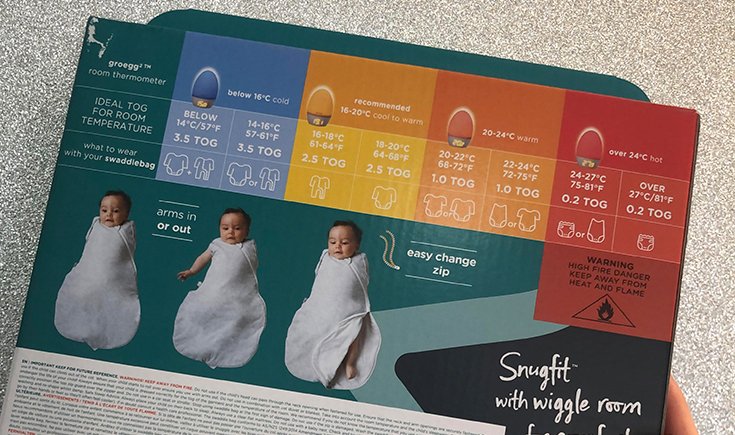
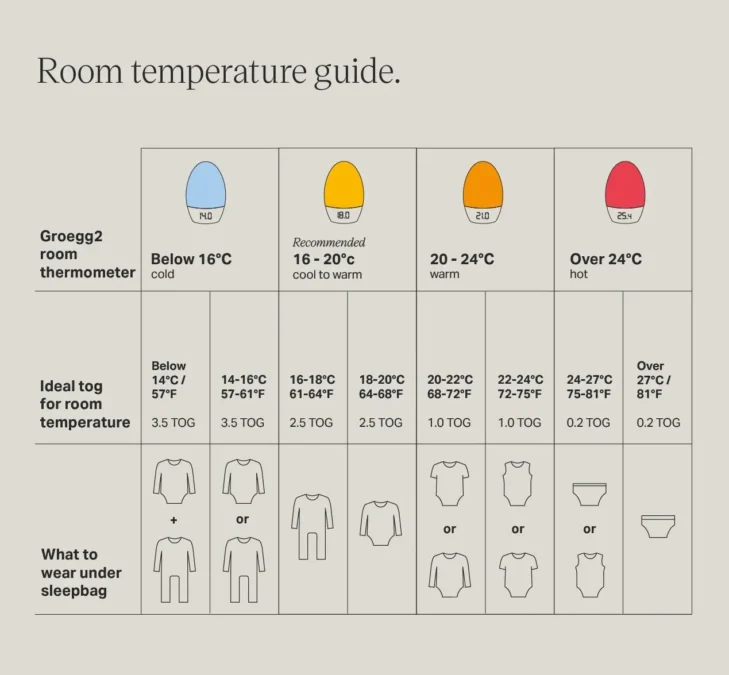
A 0.2 tog sleeping bag is generally suitable for hot weather or warmer bedrooms, while a 1.0 tog option works well for moderate temperatures. A 2.5 tog sleeping bag is commonly preferred during colder months because it provides extra warmth. The correct tog choice, combined with suitable clothing underneath, helps babies stay comfortable without becoming too warm during sleep.
Tommee Tippee Sleeping Bag Temperature Guide and Clothing Layers
Room temperature is one of the most important factors when deciding what your baby should wear under a sleeping bag. Babies cannot regulate their body temperature as effectively as adults, which means parents need to pay attention to the balance between warmth and comfort. Using a temperature guide can make it easier to choose the correct sleeping bag and clothing combination.
For warmer rooms above 24°C, a lightweight 0.2 tog sleeping bag may be suitable with minimal clothing. In rooms between 20°C and 24°C, a 1.0 tog sleeping bag with a lightweight bodysuit may provide enough comfort. Cooler rooms between 16°C and 20°C may require a thicker 2.5 tog sleeping bag with additional layers such as a sleepsuit. Parents should always check their baby’s chest or back to judge comfort rather than relying on cooler hands and feet.
Choosing the Right Tommee Tippee Sleeping Bag Size
Selecting the correct size is just as important as choosing the right tog rating. A sleeping bag that is too large may not provide a secure fit, while a bag that is too small could restrict movement and make the baby uncomfortable. Parents should consider their baby’s height and weight when choosing a size because children grow at different rates.
Tommee Tippee sleeping bags are available in different sizes designed for various stages of development. Newborn and younger baby options provide a comfortable fit during early months, while larger sizes support growing babies and toddlers. A correctly fitted sleeping bag should allow natural movement while ensuring the neck opening is secure and appropriate for the baby’s size.
Tommee Tippee Swaddlebag and Transitioning to a Sleeping Bag
For newborn babies, a swaddlebag can provide a cosy feeling similar to traditional swaddling while offering a practical sleepwear option. Swaddlebags are designed for younger babies who may benefit from a snug sleeping environment during the early months. They can help parents establish a calming bedtime routine while keeping the baby comfortable.
As babies grow and begin developing new movements, parents usually need to transition from swaddling products to regular sleeping bags. When a baby starts showing signs of rolling or attempting to roll, it is important to choose sleepwear that allows greater arm movement. Moving to an appropriate sleeping bag at the right stage supports safer and more comfortable sleep habits.
Safe Sleep Tips When Using a Tommee Tippee Sleeping Bag
Safety should always be the main priority when using any baby sleep product. A sleeping bag should always be the correct size for the baby, with a secure neck opening and enough space for comfortable movement. Parents should follow the product instructions carefully and regularly check that zips, seams, and fabric remain in good condition.
One of the main advantages of using a sleeping bag is that it removes the need for loose blankets, quilts, or additional bedding inside the cot. This Tommee Tippee sleeping bag guide highlights the importance of creating a simple sleep environment where the baby has enough space to move safely. Parents should also monitor room temperature and adjust clothing layers when necessary.
What Should a Baby Wear Under a Tommee Tippee Sleeping Bag?
The clothing worn underneath a sleeping bag depends on several factors, including the tog rating, room temperature, and the baby’s comfort. During warmer nights, babies may only need a nappy or lightweight bodysuit underneath a thin sleeping bag. During cooler weather, additional layers such as a sleepsuit may be more suitable when paired with a thicker tog option.
Parents should avoid adding too many layers because overheating can make babies uncomfortable and disturb sleep. The aim is to create a balanced sleeping environment where the baby feels warm but not excessively hot. Checking the baby’s chest or back regularly can help parents understand whether clothing adjustments are needed during different seasons.
Caring for and Maintaining a Tommee Tippee Sleeping Bag
Proper care can help keep a baby sleeping bag soft, comfortable, and hygienic for longer. Parents should always follow the washing instructions provided with the product because different fabrics may require specific care methods. Regular washing is important, especially during the early months when babies may experience spills, leaks, or frequent changes.
Having more than one sleeping bag available can be useful for busy families. Multiple options allow parents to maintain a clean sleep routine while having different tog ratings available for seasonal changes. Checking the condition of the sleeping bag regularly also helps ensure that it remains safe and comfortable for continued use.
Common Mistakes Parents Make When Choosing Baby Sleeping Bags
Many parents accidentally choose sleeping bags based only on age recommendations instead of considering their baby’s weight, height, and sleeping environment. Another common mistake is selecting a tog rating that is too warm or adding unnecessary clothing layers. Understanding how sleeping bags work can prevent these issues and make bedtime routines easier.
Parents should also avoid using extra blankets with sleeping bags because they are designed to provide warmth on their own. Choosing the right size, monitoring room temperature, and adjusting layers when needed are simple steps that can improve both safety and comfort. A reliable guide helps parents feel more confident when making decisions about baby sleep products.
Final Thoughts on Choosing the Best Tommee Tippee Sleeping Bag
Finding the right sleeping bag requires attention to several important details, including tog rating, size, temperature, and clothing choices. Every baby is different, so parents should observe their child’s comfort and make adjustments when necessary. A suitable sleeping bag can become an important part of a relaxing bedtime routine.
By following this Tommee Tippee sleeping bag guide, parents can better understand how to select and use a sleeping bag that supports comfortable and safe sleep. With the right information, choosing baby sleepwear becomes much easier and allows families to create a more consistent nighttime environment.
Frequently Asked Questions About Tommee Tippee Sleeping Bags
What tog sleeping bag should my baby use?
The correct tog depends on the temperature of your baby’s room. Lightweight sleeping bags are usually suitable for warmer conditions, while thicker options provide extra warmth during cooler nights.
Can my baby use a blanket with a Tommee Tippee sleeping bag?
No, a sleeping bag is designed to replace loose blankets. Additional bedding is generally unnecessary and may affect the safety of the sleeping environment.
How do I know if my baby is too warm?
Check your baby’s chest or back to understand their temperature. If the skin feels hot or sweaty, consider removing a clothing layer or choosing a lighter sleeping bag.
When should I change from a swaddlebag to a sleeping bag?
Parents should consider changing when their baby begins showing signs of rolling or increased movement. A regular sleeping bag allows more freedom as the baby develops.
How do I choose the correct Tommee Tippee sleeping bag size?
Choose a size based on your baby’s weight and height rather than age alone. The sleeping bag should fit securely while allowing comfortable movement.
You may also read: Understanding How Many Fridays Till Christmas 2026