



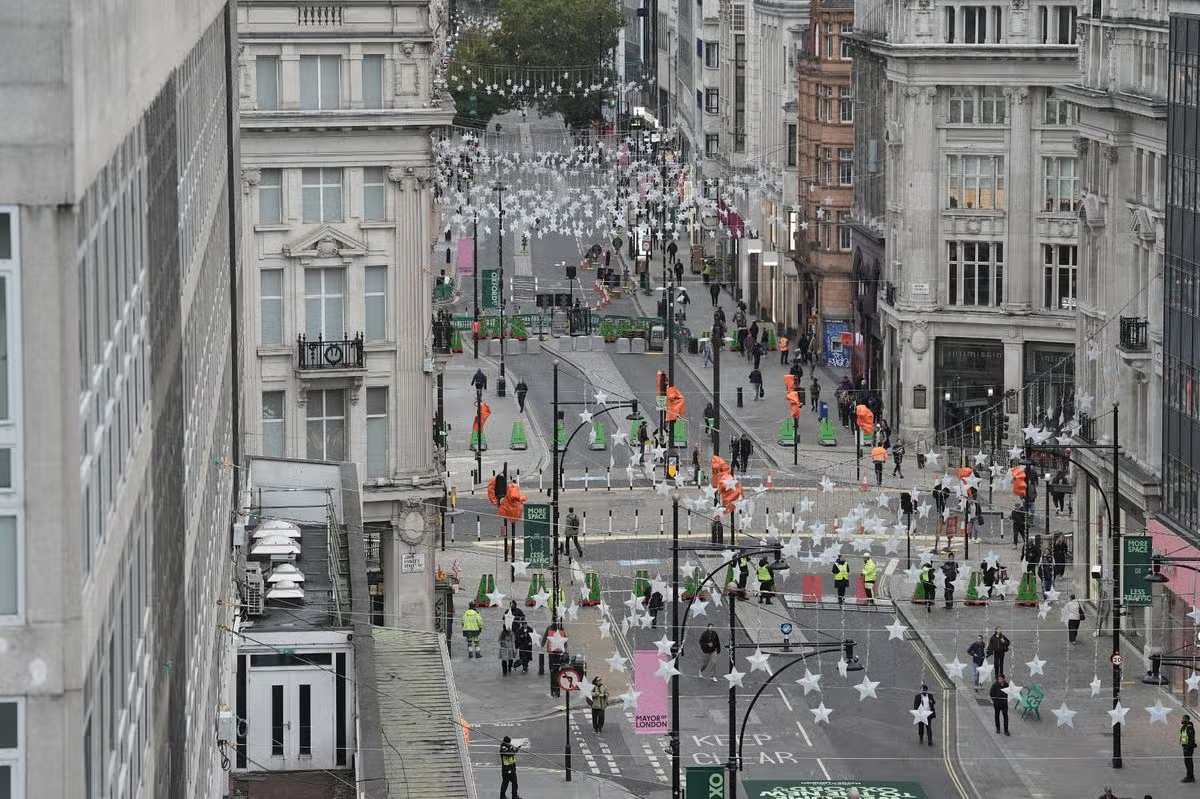



Oxford Street is one of London’s most famous shopping destinations, attracting millions of visitors, tourists and commuters every year. However, heavy traffic, crowded pavements and busy transport routes have created challenges for people visiting the area. A major transformation is now changing how this central London destination operates, with a focus on creating a safer, more attractive and pedestrian-friendly environment.
The Oxford Street pedestrianisation project introduces significant changes to vehicle access, public transport and the overall shopping experience. Since 26 October 2026, the first phase has made an approximately one-kilometre stretch between Orchard Street and Great Portland Street traffic-free. These changes affect cars, buses, taxis, bicycles and other vehicles. Understanding the new arrangements can help shoppers, businesses and commuters plan their journeys more effectively.
What Is Oxford Street Pedestrianisation?
Pedestrianisation means restricting or removing regular vehicle traffic from designated streets to provide more space for people walking. On Oxford Street, the initiative aims to transform a busy shopping road into a more welcoming public destination. Instead of sharing the same space with continuous vehicle movements, visitors can enjoy a more pedestrian-focused environment while exploring shops and nearby attractions.
The transformation is also intended to improve the appearance and functionality of the shopping district. Plans include better walking facilities, greenery, seating and opportunities for cultural activities. These improvements could encourage visitors to spend more time in the area while supporting retailers, restaurants and other businesses. The wider ambition is to strengthen Oxford Street’s position as an attractive destination for shopping, tourism and entertainment.
Latest Updates and Traffic Restrictions
The first phase of the pedestrianisation scheme officially began on Monday, 26 October 2026. It covers the section between Orchard Street, near Selfridges, and Great Portland Street, close to IKEA. The approximately 0.6-mile stretch includes Oxford Circus, creating a substantial traffic-free area within one of London’s busiest retail districts.
Several vehicle categories are now prohibited from entering this designated section. These include private cars, buses, taxis, private hire vehicles, bicycles, e-bikes, e-scooters and pedicabs. Emergency service vehicles have access exceptions, while mobility scooters remain permitted. Authorised freight and servicing vehicles can also enter through designated routes between midnight and 7 am. Drivers should follow official road signs and TfL guidance to avoid access violations and possible penalties.
Not every section of Oxford Street is currently pedestrianised. The initial restrictions apply specifically to the area between Orchard Street and Great Portland Street, while other sections remain subject to their existing traffic arrangements. Visitors travelling beyond these boundaries should check the latest road information before setting off, particularly when planning journeys involving nearby shopping streets, hotels or transport connections.
Public Transport and Getting to Oxford Street
The new traffic arrangements have affected several bus services that previously travelled through Oxford Street. Some routes have been redirected to surrounding streets, while others have changed their stopping points or terminal locations. Replacement stops are available on nearby roads, including Wigmore Street, Henrietta Place and Cavendish Place. Passengers should consult current Transport for London information to identify the correct stops and avoid unnecessary walking.
The London Underground and Elizabeth line provide convenient alternatives for reaching the shopping district. Nearby stations include Oxford Circus, Bond Street, Tottenham Court Road and Marble Arch, offering connections to different parts of the capital. Visitors arriving by car should consider parking outside the restricted area, while taxi passengers can use designated locations on surrounding streets. Checking live transport updates before travelling can make journeys considerably easier.
Impact on Shoppers, Tourists and Local Businesses
The pedestrian-friendly environment could make shopping on Oxford Street more comfortable, particularly during busy periods. Visitors may find it easier to walk between major retailers, department stores, restaurants and cafés without dealing with regular vehicle traffic. The additional pedestrian space could also improve the experience for families and international tourists who want to explore the area at a relaxed pace.
Local businesses may benefit from increased pedestrian activity and a more attractive shopping environment. Retailers, restaurants and independent shops could have greater opportunities to attract visitors who spend more time exploring the district. However, businesses must also adjust to changes in delivery schedules, vehicle access and customer drop-off arrangements. The overall commercial impact will depend on how successfully the new system balances customer convenience with everyday operational requirements.
Deliveries and servicing are particularly important because Oxford Street contains numerous commercial premises that depend on regular supplies. Under the current arrangements, authorised freight and servicing vehicles have designated access between midnight and 7 am. Businesses should coordinate with suppliers, review their delivery schedules and confirm permitted access routes. Proper planning can help minimise disruption while ensuring shops and restaurants continue operating efficiently.
Accessibility also remains an important consideration. Removing regular vehicle traffic could make the area more comfortable for pedestrians, including people who find busy roads and crowded crossings difficult to navigate. However, longer walking distances and relocated bus stops may create challenges for visitors with limited mobility. Mobility scooters remain permitted, and Blue Badge parking arrangements have been relocated to nearby streets. Continued attention to accessible routes and facilities will be essential.
Benefits, Challenges and Future Developments
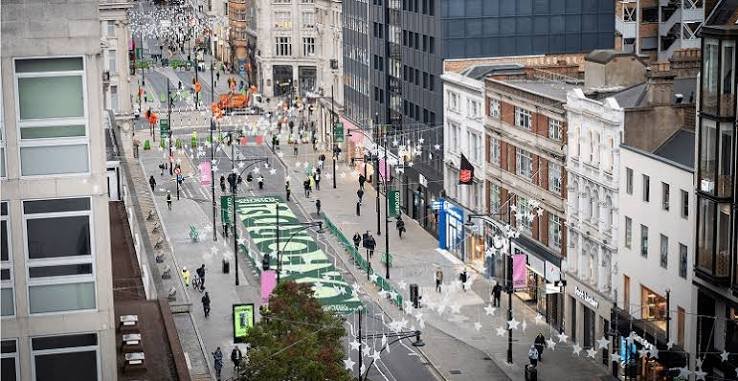
One of the main advantages of pedestrianisation is the opportunity to create a more pleasant public environment. Restricting regular traffic could reduce vehicle-related noise and emissions within the designated area while providing additional room for walking. Visitors may also benefit from improved street layouts, safer pedestrian movement and a more enjoyable atmosphere when exploring Oxford Street’s retail attractions.
The transformation could introduce wider improvements beyond traffic restrictions. Future plans include raised road surfaces, safety bollards, greenery and additional seating. These features are intended to make the area more comfortable and visually appealing. Opportunities for cultural activities, public events and community gatherings could also help Oxford Street develop into a destination that offers more than traditional shopping.
However, the project also presents practical challenges. Commuters may need to adjust familiar bus journeys, drivers must use alternative routes, and businesses have to organise deliveries around the new access arrangements. Surrounding streets could experience additional pressure as traffic patterns change. Monitoring these issues and responding to feedback from residents, visitors and businesses will be important in determining whether the scheme delivers its intended benefits.
The initial traffic-free arrangements form part of a longer-term transformation rather than a temporary closure. Further infrastructure improvements are planned, including the first sections of raised surfaces scheduled for spring 2027. Additional construction and public-space improvements are expected as the programme progresses. Any further changes to other sections of Oxford Street should be checked against official announcements rather than assumed to be confirmed.
Visitors should also use an updated Oxford Street pedestrianisation map when planning their journeys. Official maps can help identify the restricted section, nearby Underground stations, alternative bus stops and suitable walking routes. Drivers can use the information to plan journeys around the affected roads, while businesses can identify relevant access arrangements. Checking the latest information from Transport for London is particularly useful because construction and transport arrangements may change.
Frequently Asked Questions About Oxford Street Pedestrianisation
When did Oxford Street pedestrianisation begin? The first phase started on 26 October 2026, covering the section between Orchard Street and Great Portland Street. Which part of Oxford Street is traffic-free? The initial pedestrianised area extends approximately 0.6 miles and includes Oxford Circus. Other sections remain subject to their existing traffic arrangements. Is Oxford Street completely closed to vehicles? Only the designated section is closed to regular vehicle traffic, with specific exceptions for emergency services and authorised access.
Are buses and taxis allowed on pedestrianised Oxford Street? No, regular buses, taxis and private hire vehicles cannot enter the restricted section. Can cyclists and e-scooters use the area? Cycles, e-bikes and e-scooters are prohibited within the traffic-free zone. How can visitors reach Oxford Street? Nearby Underground stations include Oxford Circus, Bond Street, Tottenham Court Road and Marble Arch. Can delivery vehicles enter? Authorised freight and servicing vehicles have designated access between midnight and 7 am. Visitors and businesses should check current TfL guidance for the latest arrangements.
Is the pedestrianisation scheme permanent? The first phase forms part of a long-term transformation programme, although further improvements and construction work are continuing. Will the changes affect disabled visitors? Some arrangements may improve pedestrian comfort, but relocated stops and longer walking distances could create difficulties. Mobility scooters remain permitted, and accessible parking is available on nearby streets. Where can visitors find an updated map? Transport for London provides official project information and travel guidance, including details of traffic restrictions and alternative transport arrangements.
Conclusion
The transformation of Oxford Street represents an important change for one of London’s most recognisable shopping destinations. The first phase, introduced on 26 October 2026, has removed regular vehicle traffic from the section between Orchard Street and Great Portland Street. The new arrangements create a different environment for shoppers, tourists and commuters while introducing changes to public transport, deliveries and vehicle access.
The long-term success of the project will depend on balancing pedestrian convenience with accessibility, business requirements and transport needs. Planned improvements to public spaces, greenery and walking facilities could make the area more attractive for visitors and local businesses. Anyone planning a trip should check the latest Transport for London updates before travelling, as traffic restrictions, construction schedules and public transport arrangements may continue to evolve.
You may also read Where Is Branch Hill House Located?