







Introduction
Camping is one of the best ways to enjoy nature, but even the highest-quality tent can become unstable if it is not secured properly. Many campers focus on choosing a durable tent while overlooking the importance of reliable ground anchors. The truth is that tent pegs play a major role in keeping your shelter safe during changing weather conditions. Whether you are setting up on rocky hillsides, compact campsites, grassy fields, or windy coastal areas, the right pegs can make a significant difference to your overall camping experience.
Heavy duty tent pegs are specifically designed for situations where standard wire pegs are likely to fail. They offer greater holding power, increased durability, and better resistance to bending when driven into difficult terrain. Choosing the correct type of peg not only protects your tent but also reduces the chances of interrupted sleep, damaged equipment, or unexpected repairs. This guide explains everything you need to know about selecting, using, and maintaining heavy-duty tent pegs so you can camp with confidence in almost any environment.
What Are Heavy Duty Tent Pegs?
Heavy duty tent pegs are reinforced stakes manufactured from strong materials such as forged steel, galvanised steel, or hardened alloy steel. Unlike lightweight pegs supplied with many standard camping tents, these stronger alternatives are engineered to withstand repeated hammering into compact soil without bending or breaking. Their thicker shafts and reinforced heads make them suitable for demanding outdoor conditions where ordinary pegs struggle to provide adequate support.
These pegs are commonly used for family tents, bell tents, gazebos, awnings, tarps, and temporary outdoor shelters. Their design focuses on maximum grip and long-term durability rather than minimum weight. While they are slightly heavier than standard pegs, the additional stability they provide is often well worth the extra weight, particularly for campers who frequently encounter strong winds, gravelly campsites, or hard-packed ground.
Why Choosing Quality Tent Pegs Matters
Many camping problems begin with poor anchoring rather than poor tents. Strong winds place enormous stress on tent fabrics, poles, and guy lines. If the pegs fail, the entire shelter can become unstable within minutes. Investing in reliable anchoring equipment helps maintain proper tent tension and significantly reduces movement during adverse weather, allowing the structure to perform as designed.
Quality pegs also save money over time because they last considerably longer than inexpensive alternatives. Instead of replacing bent or broken stakes after every few trips, campers who purchase durable steel pegs often use the same set for many years. This makes them a practical investment for anyone who camps regularly or relies on outdoor shelters for events, festivals, fishing trips, or overlanding adventures.
Types of Heavy Duty Tent Pegs
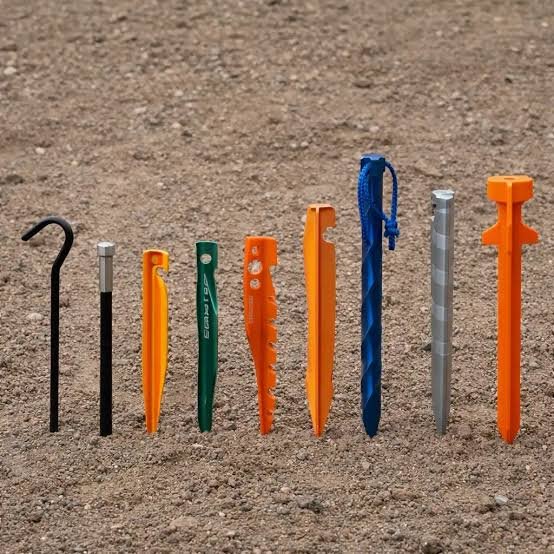
Not every campsite requires the same style of peg, which is why manufacturers produce several different designs. Forged steel pegs are among the strongest available and are highly recommended for rocky or compacted ground. Their robust construction allows them to withstand repeated impacts while maintaining their shape. Galvanised steel versions provide similar strength with the added advantage of improved corrosion resistance, making them ideal for damp climates.
Screw-in tent pegs are particularly effective in soft ground and sandy locations because they create additional grip beneath the surface. Rebar pegs are another popular option for large shelters, marquees, and event tents that require exceptional holding strength. Understanding how each style performs in different conditions makes it easier to choose equipment that matches your typical camping destinations rather than relying on a one-size-fits-all solution.
Choosing the Right Pegs for Different Ground Conditions
Ground conditions have a greater influence on peg performance than many campers realise. Hard-packed campsites require thick steel pegs with sharp points capable of penetrating dense soil without bending. Driving lightweight wire pegs into compact ground usually results in damaged equipment before the tent is even fully assembled. Selecting pegs specifically designed for difficult surfaces reduces installation time and improves long-term reliability.
Soft soil presents a different challenge because pegs can gradually work loose as the ground shifts or becomes saturated after rainfall. Longer pegs and screw-in designs create greater surface contact beneath the ground, improving grip and reducing movement. Campers visiting sandy beaches, muddy fields, or snowy environments should always match peg length and style to the conditions rather than assuming one design performs equally well everywhere.
Features to Look for Before Buying
Material quality should always be one of the first considerations when comparing tent pegs. Forged steel offers exceptional strength, while galvanised coatings provide additional protection against rust and corrosion. A thicker diameter generally increases durability, allowing the peg to withstand repeated use without becoming bent or weakened. Choosing high-quality materials usually results in better long-term value than simply selecting the cheapest option available.
Other practical features can also improve the overall camping experience. Brightly coloured heads make pegs easier to locate in grass, while large hooks simplify attaching guy lines and removing pegs after use. Some products include carrying bags that keep equipment organised and prevent sharp points from damaging other camping gear during transport. These small details often make setup and packing significantly more convenient.
Installing Heavy Duty Tent Pegs Correctly
Even the strongest tent peg performs poorly if it is installed incorrectly. A common recommendation is to insert pegs at an angle of approximately forty-five degrees away from the tent so that the tension from the guy line pulls against the strongest part of the anchor. This simple technique increases holding power and reduces the likelihood of pegs loosening during windy conditions.
Using the right tools is equally important. A camping mallet distributes force more evenly than improvised tools such as rocks, reducing the chance of damaging the peg or injuring yourself. Before driving a peg into rocky ground, inspect the surface for obvious stones that could prevent proper installation. Taking a few extra moments during setup often prevents much larger problems later in the trip.
Heavy Duty Tent Pegs Compared with Standard Pegs
Standard tent pegs are typically designed to minimise weight and manufacturing costs rather than maximise durability. They perform reasonably well on soft grass during calm weather but frequently bend when used on gravel, compact soil, or rocky campsites. For occasional summer camping they may be sufficient, but they are rarely the best choice for challenging conditions or larger tents.
By comparison, heavy duty tent pegs provide greater holding power, improved wind resistance, and a much longer service life. Their reinforced construction enables them to withstand repeated use without significant wear, making them particularly valuable for experienced campers who regularly encounter unpredictable weather. Although they add a little extra weight to camping equipment, many users consider the improved stability well worth the trade-off.
| Feature | Standard Tent Pegs | Heavy Duty Tent Pegs |
| Material | Thin steel wire | Forged or galvanised steel |
| Strength | Moderate | Excellent |
| Hard Ground Performance | Limited | Outstanding |
| Wind Resistance | Fair | Excellent |
| Durability | Basic | Long-lasting |
| Best Use | Casual camping | Tough terrain and larger shelters |
Caring for Your Tent Pegs
Regular maintenance extends the lifespan of any camping equipment, and tent pegs are no exception. After each trip, remove dirt, sand, and moisture before storing them. Cleaning the pegs with water and drying them thoroughly helps preserve protective coatings while reducing the likelihood of corrosion. Inspect each peg for bends, cracks, or damaged hooks that could affect future performance.
Storage is equally important because loose pegs can damage tents, sleeping bags, or other camping equipment. Keeping them inside a dedicated storage bag protects both the pegs and the rest of your gear. Campers who routinely check and maintain their equipment before each trip are far less likely to experience unexpected failures while setting up camp.
Conclusion
Choosing the right tent pegs is one of the simplest upgrades any camper can make. Strong, dependable anchors improve tent stability, increase safety during poor weather, and provide greater confidence when camping in unfamiliar locations. Matching peg style to ground conditions ensures your shelter remains secure whether you are camping on rocky hillsides, compact campsites, sandy beaches, or grassy fields.
Investing in heavy duty tent pegs is a practical decision for campers who value durability and reliability. While premium pegs may cost more initially, their long lifespan and dependable performance make them an excellent addition to any camping kit. With proper installation and routine maintenance, quality tent pegs can provide years of dependable service across countless outdoor adventures.
Frequently Asked Questions
What are heavy duty tent pegs used for?
Heavy duty tent pegs are designed to secure tents, gazebos, awnings, tarps, and outdoor shelters in difficult ground conditions where ordinary pegs may bend or pull out.
Which material is best for heavy duty tent pegs?
Forged steel and galvanised steel are considered the best options because they provide excellent strength, durability, and resistance to rust.
Are heavy duty tent pegs suitable for rocky ground?
Yes. Forged steel pegs are specifically designed to penetrate compact and rocky terrain without bending as easily as lightweight wire pegs.
How many tent pegs does a camping tent need?
Most standard tents require between eight and twenty pegs depending on their size, design, and the number of guy lines used.
Can I use heavy duty tent pegs for gazebos and awnings?
Yes. Their superior holding power makes them ideal for securing gazebos, awnings, canopies, market stalls, and other outdoor structures, especially in windy weather.
How do I stop tent pegs from rusting?
Clean the pegs after each trip, dry them thoroughly, and store them in a dry carry bag. Choosing galvanised or coated steel pegs also helps reduce the risk of corrosion.
You may also read Understanding the Budget Campervan Market