





Introduction
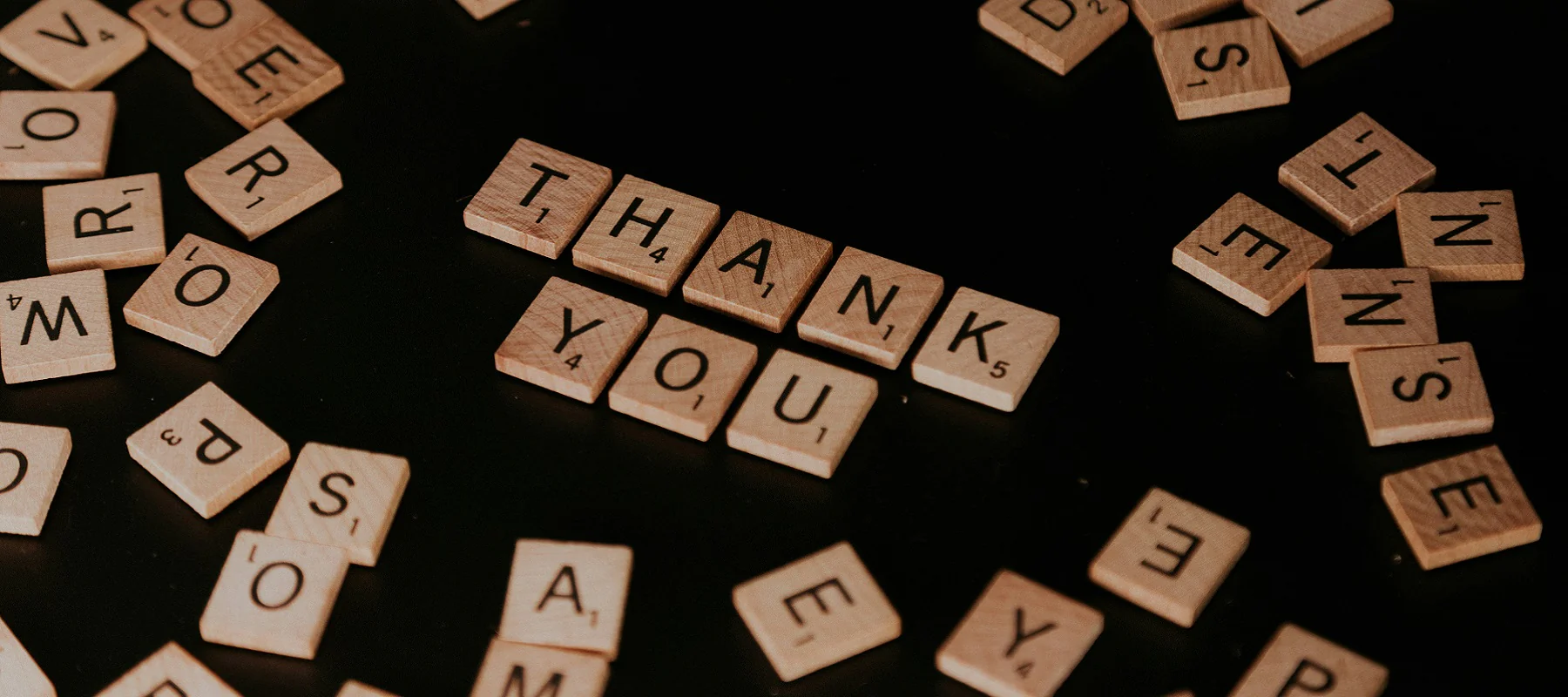
Learning a few words in another language is one of the easiest ways to connect with people and show appreciation for their culture. Among the first expressions many visitors learn when travelling to Wales is thank you in Welsh, because gratitude is universal and welcomed in every conversation. Whether you are planning a holiday, studying Welsh, researching Celtic languages, or simply curious about different cultures, knowing how to say thank you correctly is both practical and respectful. Even a single Welsh word can help create friendly interactions and memorable experiences.
The Welsh language, known as Cymraeg, is one of Europe’s oldest living languages and remains an important part of everyday life across Wales. It appears on road signs, public transport, schools, government services, television, and local businesses. While English is widely understood, many Welsh speakers genuinely appreciate visitors who make an effort to use a few local expressions. This guide explains the meaning of Diolch, how to pronounce it, when to use it, and several related phrases that will help you communicate with greater confidence.
What Does Thank You in Welsh Mean?
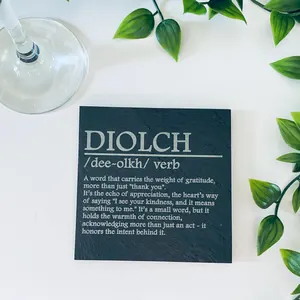
The standard translation of thank you in Welsh is Diolch. Although it is a short word, it carries genuine warmth and appreciation. It is suitable for almost every situation, whether someone has held a door open, served your meal, answered a question, or offered assistance. Unlike some languages that have several levels of politeness, “Diolch” works naturally in both casual and polite conversations, making it one of the most useful Welsh words to learn.
For beginners, “Diolch” is often the first Welsh word they remember because it is practical and frequently used. You will hear it in cafés, shops, schools, tourist attractions, workplaces, and homes throughout Wales. Using it correctly demonstrates respect for local customs and encourages positive conversations with native speakers. Even if your Welsh vocabulary is limited, this simple expression allows you to communicate gratitude naturally without worrying about complex grammar.
How to Pronounce Diolch Correctly
Many learners worry about pronunciation before they attempt to speak Welsh, but “Diolch” is less intimidating than it appears. English speakers often describe it as sounding close to “DEE-olch.” The final sound is produced further back in the throat than most English sounds, making it unique to Welsh. Although mastering this pronunciation takes practice, native speakers generally appreciate sincere effort rather than expecting perfection from beginners.
Listening to native Welsh speakers is one of the quickest ways to improve pronunciation. Language-learning apps, Welsh television programmes, educational videos, and pronunciation guides all provide valuable examples. Repeating the word aloud several times each day helps build confidence and develops muscle memory. Over time, your pronunciation becomes more natural, allowing you to use Welsh expressions comfortably in everyday conversations without hesitation.
Different Ways to Say Thank You in Welsh
While Diolch is suitable in nearly every circumstance, Welsh includes several longer expressions that allow you to show additional appreciation. These variations help you communicate different levels of gratitude depending on the occasion. Understanding these phrases not only improves your vocabulary but also makes your conversations sound more natural and expressive when speaking with Welsh speakers.
Some of the most common expressions include Diolch yn fawr, meaning “Thank you very much,” and Diolch yn fawr iawn, which expresses even stronger appreciation and translates roughly as “Thank you so very much.” Another meaningful phrase is Diolch o galon, meaning “Thank you from the heart.” This expression is often reserved for emotional occasions, speeches, heartfelt messages, or moments when sincere gratitude deserves extra emphasis.
| Welsh Phrase | English Meaning | Typical Use |
| Diolch | Thank you | Everyday conversations |
| Diolch yn fawr | Thank you very much | Showing appreciation |
| Diolch yn fawr iawn | Thank you so very much | Strong gratitude |
| Diolch o galon | Thank you from the heart | Emotional or formal occasions |
Formal and Informal Usage
One of the greatest advantages of learning Welsh gratitude phrases is their simplicity. Unlike certain languages that require different vocabulary depending on social status or familiarity, Diolch works comfortably in both formal and informal situations. Whether you are speaking with a waiter, teacher, colleague, hotel receptionist, neighbour, or close friend, the same expression remains polite and appropriate.
For occasions where you wish to sound especially appreciative, longer phrases such as Diolch yn fawr provide additional warmth without becoming overly formal. Business meetings, customer service interactions, academic settings, and public events all allow these expressions naturally. Understanding this flexibility helps beginners feel more confident because they do not need to memorise numerous versions of the same phrase before speaking with native Welsh speakers.
Responding to Someone Who Says Diolch
Learning gratitude becomes even more useful when you know how to respond naturally. The most common reply to Diolch is Croeso, which translates directly as “You’re welcome.” This simple response appears frequently throughout Wales and is suitable in almost every everyday conversation. It is easy to pronounce, widely recognised, and one of the first replies Welsh learners should add to their vocabulary.
Depending on the situation, native speakers may also use responses equivalent to “No problem,” “My pleasure,” or “You’re very welcome.” Although English responses are commonly understood across Wales, using a Welsh reply demonstrates additional respect for the language and local culture. Knowing both the expression of gratitude and the appropriate response creates smoother conversations and helps learners become more comfortable communicating in Welsh.
Useful Welsh Phrases to Learn Alongside Diolch
Learning thank you in Welsh naturally leads to discovering other useful expressions that make everyday conversations easier. Even a small collection of common Welsh phrases can greatly improve your confidence while travelling, shopping, dining, or meeting local people. Building vocabulary gradually also helps learners remember pronunciation patterns and sentence structure more effectively than trying to memorise isolated words.
Some excellent beginner phrases include Bore da for “Good morning,” Prynhawn da for “Good afternoon,” Nos da for “Good night,” Hwyl fawr for “Goodbye,” Os gwelwch yn dda for “Please,” and Croeso for “You’re welcome.” Together with Diolch, these expressions allow visitors to handle many everyday situations politely while showing genuine appreciation for the Welsh language and culture.
Everyday Examples of Using Thank You in Welsh
One of the easiest ways to remember a new language is to use it in realistic situations. The phrase thank you in Welsh becomes much more memorable when you associate it with everyday experiences. Imagine buying a cup of coffee in Cardiff, asking for directions in Swansea, checking into a hotel in Llandudno, or purchasing a souvenir in a local market. A simple “Diolch” at the end of each interaction demonstrates politeness and often encourages a warm response from local people. Small efforts like these help create positive travel experiences while giving you confidence to continue learning Welsh.
The same expression is equally useful outside Wales. Many people around the world have Welsh family connections or participate in Welsh cultural festivals, language classes, and online communities. Knowing how to say “Diolch” allows you to communicate respectfully during these interactions and shows that you value the language. Whether you are sending a thank-you message, speaking with Welsh friends, or attending a cultural event, using authentic Welsh expressions helps conversations feel more meaningful and memorable.
Welsh Culture and the Importance of Saying Thank You
The Welsh language represents much more than everyday communication. It is closely connected with Wales’ history, literature, music, and national identity. Although English is spoken throughout the country, Welsh remains an official language and continues to thrive in schools, media, government services, and local communities. Learning even a simple expression like thank you in Welsh shows appreciation for this living cultural heritage and demonstrates respect for people who continue to preserve and promote their native language.
Visitors are often pleasantly surprised by how encouraging Welsh speakers are when someone attempts to use their language. Perfect pronunciation is not expected, especially from beginners. Most local people appreciate the effort itself because it reflects genuine interest in Welsh culture. A sincere “Diolch” can make everyday interactions friendlier, encourage conversation, and sometimes even lead to helpful recommendations about local attractions, traditions, or places to visit during your stay in Wales.
Common Mistakes to Avoid
Many beginners believe they must learn complicated grammar before speaking Welsh, but this is unnecessary. One of the most common mistakes is waiting until pronunciation feels perfect before using the language. In reality, saying “Diolch” confidently is far better than avoiding it altogether. Native speakers understand that learners are developing new pronunciation skills and usually respond positively to anyone making a genuine effort to communicate respectfully.
Another mistake is overusing long expressions in situations where a simple “Diolch” sounds more natural. While phrases such as Diolch yn fawr iawn are excellent for expressing deep appreciation, everyday conversations usually require only the shorter version. Learners should also avoid mixing English pronunciation rules with Welsh sounds whenever possible. Listening regularly to native speakers helps eliminate these habits and gradually improves both pronunciation and confidence.
Tips for Learning Welsh More Effectively
Building confidence in Welsh does not require memorising hundreds of words immediately. Instead, focus on learning practical expressions that you can use every day. Start with greetings, polite phrases, and simple questions before expanding your vocabulary. Repeating useful words like “Diolch” in real situations makes them easier to remember because they become associated with genuine experiences rather than isolated study sessions.
Modern technology also makes learning Welsh more accessible than ever before. Language-learning applications, online pronunciation guides, podcasts, YouTube lessons, and Welsh radio programmes provide excellent opportunities to hear authentic pronunciation from native speakers. Reading children’s books, following Welsh news websites, and practising with language exchange partners are additional ways to improve naturally. Consistent practice, even for a few minutes each day, produces better long-term results than occasional intensive study sessions.
Conclusion
Learning thank you in Welsh is one of the simplest yet most valuable steps you can take when exploring the Welsh language. The word Diolch is short, practical, and suitable for almost every situation, making it an excellent starting point for beginners. By understanding its meaning, pronunciation, and common variations, you can communicate gratitude naturally while showing respect for Wales and its unique linguistic heritage.
As your confidence grows, expanding your vocabulary with greetings, polite responses, and everyday expressions will make conversations even smoother. Welsh remains an important part of modern life across the country, and even small efforts to speak it are usually appreciated by native speakers. Whether you are travelling, studying, or simply interested in languages, learning a few Welsh phrases can enrich your experiences and help you build genuine connections with people who value their cultural traditions.
Frequently Asked Questions
What is thank you in Welsh?
The Welsh phrase for “thank you” is Diolch. It is the standard expression used throughout Wales and is suitable in both casual and polite conversations. Because of its simplicity and versatility, it is usually one of the first Welsh words recommended for beginners.
How do you pronounce Diolch?
The word is commonly explained as sounding similar to “DEE-olch.” The final sound is unique to Welsh and may take practice for English speakers. Listening to native pronunciation regularly is the most effective way to improve your accent and confidence.
What does Diolch yn fawr mean?
Diolch yn fawr translates to “Thank you very much.” It is used when you want to express stronger appreciation than a simple “Diolch” while still sounding natural in everyday conversation.
What is the difference between Diolch and Diolch yn fawr iawn?
Diolch simply means “Thank you,” whereas Diolch yn fawr iawn means “Thank you so very much.” The longer phrase adds extra emphasis and is appropriate when someone has been especially helpful or generous.
How do you say you’re welcome in Welsh?
The most common response is Croeso, which means “You’re welcome.” It is suitable in almost every situation and pairs naturally with “Diolch” during everyday conversations.
Is Diolch formal or informal?
One of the advantages of Welsh is that Diolch works well in both formal and informal settings. You can confidently use it with friends, family members, teachers, colleagues, shop assistants, and business contacts without sounding inappropriate.
Can tourists use Welsh phrases while visiting Wales?
Yes. Most Welsh speakers appreciate visitors who make an effort to use even a few Welsh words. Simple expressions such as Diolch, Bore da, and Croeso often create positive interactions and demonstrate respect for the local language and culture.
Is Welsh still spoken today?
Absolutely. Welsh is an official language of Wales and is spoken by hundreds of thousands of people. It continues to be taught in schools, used by government organisations, featured in television and radio programmes, and spoken daily in many communities across the country.
What are the best Welsh phrases for beginners?
Beginners should start with practical expressions they can use every day. Some of the most useful include Diolch (Thank you), Croeso (You’re welcome), Bore da (Good morning), Os gwelwch yn dda (Please), and Hwyl fawr (Goodbye). Learning these phrases provides a strong foundation for further study and makes everyday conversations much easier.
You may also read What Are Heavy Duty Tent Pegs?