







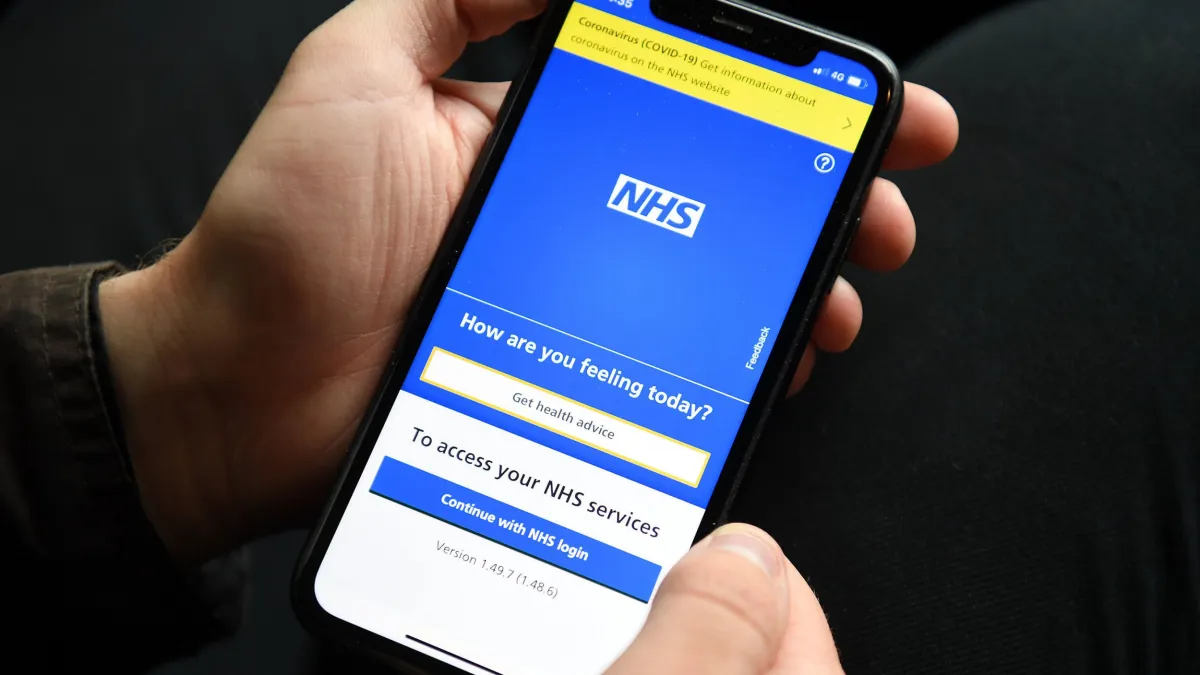
Your NHS number is an important part of your healthcare record, but many people do not know where to find it when they need it. This unique 10-digit number helps NHS organisations identify you correctly and connect you with the right medical records. It may appear on NHS letters, hospital correspondence and other healthcare documents, while eligible users can also access NHS services digitally.
If you need to find your NHS number, there are several straightforward options available. You can use the official NHS online service, check information through the NHS App, look at previous NHS documents or contact your GP surgery. The most suitable method depends on what information you have available and whether you already use NHS online services.
What Is an NHS Number?
An NHS number is a unique 10-digit identifier used to help healthcare professionals and NHS organisations identify patients and match them with their health records. It is usually displayed as three groups of numbers, for example, 485 777 3456. Your actual number is personal to you and remains associated with your NHS healthcare record.
It is important to understand that your NHS number is not the same as your NHS App password, NHS login details, GP practice information or a hospital appointment reference. It is primarily a patient identifier. Although healthcare organisations may ask for it when dealing with records or certain services, the NHS states that you do not normally need to know your NHS number to receive healthcare.
Find Your NHS Number Online
One of the easiest ways to find your NHS number is through the official NHS online service. People living in England can use the service to request their number by providing identifying information. This generally includes your full name, date of birth and the postcode associated with the address registered with your GP surgery. Accurate information is important because the service needs to match your details with the correct NHS record.
Once your details have been verified, your NHS number can be sent using an available method such as text message, email or letter. The exact process and availability of delivery options can change, so it is sensible to follow the current instructions shown on the official NHS website. If the online service cannot identify you, there are other reliable ways to retrieve the information.
Find Your NHS Number in the NHS App
The NHS App is another useful option for people who already have an NHS account and access to online NHS services. Depending on your circumstances and the services available through your GP practice, the app can provide access to various healthcare features and personal information. It can therefore be a convenient place to check information connected with your NHS record.
If you are setting up the NHS App and do not know your NHS number, this does not necessarily prevent you from registering. The setup process can use personal information to help identify you, and some users may need to complete identity verification before gaining full access. App features can vary, so users should follow the current instructions provided within the official NHS service rather than relying on outdated guides.
Find Your NHS Number on NHS Documents
Checking your existing NHS paperwork can be one of the quickest ways to find your NHS number. The number may appear on correspondence you have received from healthcare providers, meaning you may not need to complete an online search at all. If you have recently received NHS communication, checking those documents first can save time and provide the information immediately.
Your NHS number can appear on different types of healthcare correspondence, including appointment letters, hospital letters, referral information, test result documents and some prescription-related paperwork. When checking a document, remember that it may contain other private information as well. Keep NHS letters securely stored and avoid posting photographs or screenshots of documents online where personal details could be exposed.
Find Your NHS Number Through Your GP Surgery
If you cannot find the number online or on your NHS documents, your GP surgery can provide another route for assistance. Contact the practice where you are registered and explain that you need help locating your NHS number. The practice may ask you to confirm personal information before providing details because healthcare records are protected and should only be disclosed after appropriate checks.
Identity verification requirements can vary according to the circumstances and the way you contact the practice. You may be asked questions about your personal details or, in some cases, requested to provide identification. If you have recently moved, changed your name or registered with a different GP surgery, mention this because changes to your information could affect how your record is located.
What If You Cannot Find Your NHS Number?
If your first attempt is unsuccessful, there is no need to panic. Start by checking recent NHS correspondence because the number may already be printed on a letter you have at home. If you cannot find it there, try the official online NHS service or check your NHS App if you already have access. Using official sources is safer than relying on third-party websites claiming to retrieve NHS information.
If those options do not work, your GP surgery is the next practical place to ask for assistance. Problems can sometimes occur when information does not match the details held by the NHS, particularly after a move, name change or change of GP practice. Explain the situation clearly and provide the information requested by the practice so staff can help you identify the correct record.

Do You Need Your NHS Number to Use NHS Services?
Knowing your NHS number can be useful, but it is not normally a requirement for accessing NHS healthcare. The NHS explains that you do not need to know your NHS number to use NHS services. This is particularly reassuring for people who have lost paperwork, forgotten their number or are trying to arrange healthcare without having their records immediately available.
Your NHS number is primarily designed to help healthcare organisations correctly identify and manage your records. If a healthcare professional needs information about you, they can explain what details are required for your particular appointment or service. Therefore, while it is worth keeping your number somewhere secure for future reference, you should not assume that forgetting it means you cannot receive appropriate NHS care.
What Information Do You Need to Find Your NHS Number?
The information required depends on which method you use. The official online service generally asks for your full name, date of birth and the postcode linked to your GP registration. These details help establish your identity and locate the appropriate record. Entering information exactly as it is held by your GP can improve the chances of the service finding a match.
The NHS App may require additional information when you register or verify your identity, depending on the level of access you need. If your circumstances have changed, such as moving house or changing your name, you may encounter difficulties if your current details do not match existing records. In such cases, contacting your GP surgery can help clarify what information is currently associated with your record.
Is an NHS Number the Same as an NHS Login?
An NHS number and NHS login are separate things, even though they can be used together when accessing digital healthcare services. Your NHS number is a patient identifier connected to your healthcare record, while NHS login provides a secure way to access supported online NHS services. Understanding this difference is useful when registering for the NHS App or another digital service.
Your NHS number should not be treated as a password, and it should never be used as a substitute for secure login credentials. Keep your NHS login details, passwords and verification information private. When accessing healthcare information online, always make sure you are using an official NHS website or application and be cautious about unexpected messages requesting sensitive personal information.
How to Keep Your NHS Information Secure
An NHS number is personal information, so it should be handled carefully. Avoid publishing it on social media, public forums or websites, even if you believe the information alone is harmless. NHS letters can also contain names, addresses, appointment details and medical information, so documents should be stored securely rather than left where other people can easily access them.
When sharing information with a healthcare organisation, make sure you are using a genuine communication channel. If you receive an unexpected message asking for your NHS number or other sensitive information, do not automatically provide it. Instead, verify the organisation independently through its official website or contact details. Taking a few extra seconds to check can help protect your personal healthcare information.
NHS Numbers Across the UK
Although the term NHS number is widely recognised, healthcare arrangements differ between England, Scotland, Wales and Northern Ireland. The official online service for finding an NHS number described on NHS.uk is intended for people living in England. This means readers elsewhere in the UK should not automatically assume that the same online process or digital service will apply to them.
If you live in another part of the UK, check the relevant official national healthcare service for information about patient identifiers and online healthcare access. This distinction is particularly important when following instructions found online because a process designed for England may not accurately describe the system used in Scotland, Wales or Northern Ireland.
Conclusion
Finding your NHS number is usually straightforward when you know where to look. The official NHS online service, NHS App, previous NHS correspondence and your GP surgery are the main routes available to people who need to retrieve their details. Starting with documents you already have or an official online service can often be the quickest approach.
Most importantly, do not worry if you cannot immediately locate the number. The NHS confirms that you do not normally need to know it to access healthcare. If one method does not work, simply move to another official option and ask your GP surgery for assistance when necessary. Keeping the number stored securely can make future healthcare administration more convenient.
Frequently Asked Questions About Finding Your NHS Number
How can I find my NHS number online?
You can use the official NHS online service if you live in England and provide the requested identifying information. This normally includes your name, date of birth and the postcode registered with your GP surgery. If your details can be matched successfully, the NHS can provide your number using an available delivery method.
Can I find my NHS number in the NHS App?
If you have an NHS account and appropriate access to NHS App services, you may be able to view information connected with your healthcare record. If you are registering without knowing your number, the NHS App setup process can use other personal details to help identify you, although identity verification may be required for wider access.
Where can I find my NHS number on an NHS letter?
Your NHS number may appear on various types of NHS correspondence, including appointment letters, hospital correspondence, referral letters and some test-related documents. Check recent paperwork before starting an online search. Because these documents can contain sensitive medical information, store them securely and avoid sharing images containing your personal details.
Can my GP surgery give me my NHS number?
Your GP surgery can help if you cannot retrieve your number through the online service or find it on NHS documents. The practice may need to verify your identity before providing personal information. Contact the GP practice where you are registered and follow its current instructions for confirming your identity and accessing your information.
Do I need my NHS number to see a doctor?
No, you do not normally need to know your NHS number to use NHS healthcare services. Although the number can help healthcare organisations identify your records, not knowing it should not prevent you from seeking appropriate care. If a particular service needs the number, staff can explain how you can retrieve it or what alternative information may be acceptable.
What should I do if I cannot find my NHS number?
Start by checking recent NHS letters and documents, then try the official online service or NHS App. If you are still unable to locate the number, contact your GP surgery for assistance. Avoid using unofficial websites that claim to search NHS records, particularly if they request unnecessary personal or financial information.
You may also read Best Coastal Attractions and Beaches