







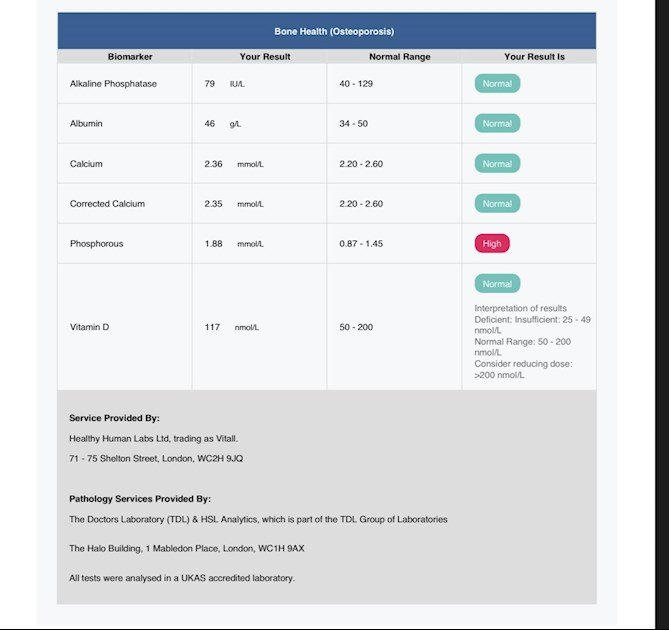
A bone profile blood test is a group of blood measurements used to assess calcium and phosphate balance and provide information about processes linked to bone metabolism. Depending on the laboratory, it commonly includes calcium, adjusted calcium, albumin, phosphate and alkaline phosphatase (ALP). These markers can help healthcare professionals investigate mineral imbalances and monitor certain conditions affecting bones, kidneys, liver or the parathyroid glands. The exact combination can vary between laboratories.
Despite its name, a bone profile does not directly examine the bones or measure their density. Instead, it evaluates substances circulating in the blood that are important for mineral regulation and bone health. Results are interpreted alongside symptoms, medical history, medications and other investigations. This makes the test useful as part of a wider clinical assessment rather than as a standalone method for diagnosing a specific bone disorder.
What Is a Bone Profile Blood Test?
A bone profile is a blood test panel designed to provide information about the body’s calcium and phosphate balance. Calcium is essential for maintaining the mineral structure of bones, while phosphate works with calcium to support normal bone formation. Albumin is also important because it binds to a proportion of calcium in the bloodstream, while ALP is an enzyme associated with bone and liver activity.
The exact tests included in a bone profile can differ between laboratories, so patients should check their individual laboratory report. Some services may use slightly different terminology for similar groups of tests. A bone profile should also not be confused with a DEXA or DXA scan. A blood profile assesses biochemical markers, whereas a DEXA scan measures bone mineral density and is used to assess conditions such as osteoporosis.
What Does a Bone Profile Blood Test Measure?
The main components commonly associated with a bone profile include calcium, adjusted calcium, albumin, phosphate and alkaline phosphatase. Calcium is involved in bone structure as well as normal muscle, nerve and cellular function. Phosphate is another essential mineral that combines with calcium in the formation and maintenance of bone tissue. Together, these measurements can provide useful information about mineral metabolism.
Albumin is a protein produced by the liver and is relevant because changes in albumin can affect the interpretation of total calcium. Adjusted calcium attempts to account for this relationship. ALP can provide information about activity in bone and liver tissue, although an abnormal ALP result does not automatically identify where the change originates. Additional tests may therefore be needed when results are outside the expected range.
Why Would You Have a Bone Profile Blood Test?
A doctor may request a bone profile when investigating symptoms, abnormal blood results or medical conditions that could affect mineral balance. It may be considered when someone has unexplained bone symptoms, muscle weakness, recurrent fractures or other findings that warrant further assessment. The test can also be used to monitor known conditions rather than simply investigate new symptoms.
The results may be assessed alongside kidney function, liver blood tests, vitamin D measurements or parathyroid hormone testing. Vitamin D and PTH are generally separate investigations rather than automatic components of every bone profile. By considering several results together, a healthcare professional can build a clearer picture of what may be affecting calcium, phosphate or bone metabolism.
Bone Profile Blood Test Normal Ranges
There is no single set of normal ranges that applies to every laboratory. Reference intervals can vary according to the laboratory’s testing methods, equipment and patient population. Age can also influence certain measurements, particularly ALP, because children and teenagers can naturally have higher levels during periods of rapid bone growth. For this reason, the reference range printed beside your own result is the most relevant one.
A laboratory report may show calcium, adjusted calcium, albumin, phosphate and ALP alongside individual reference intervals. A result slightly outside a stated range does not automatically mean that a person has a disease. Likewise, a result within the reference range cannot rule out every possible health condition. Doctors consider the size and pattern of any abnormality together with symptoms, medical history and other test findings.
How Are Bone Profile Results Interpreted?
Interpreting a bone profile involves looking at the overall pattern rather than focusing on a single number. For example, calcium may be considered alongside albumin and adjusted calcium, while phosphate and ALP can provide additional context. A clinician may also compare the current results with previous blood tests to determine whether a change is new, persistent or part of an established pattern.
Medications, recent illness, nutritional factors, kidney function and other medical conditions can influence some results. This is why an abnormal measurement should not automatically be interpreted as a diagnosis. Depending on the findings, a healthcare professional may recommend repeating the blood test or arranging additional investigations to establish whether the abnormality is clinically significant.
What Does High Calcium Mean?
A raised calcium level is known as hypercalcaemia. There are several possible causes, including problems involving the parathyroid glands, certain medicines and other medical conditions that affect calcium regulation. The significance of a high result depends on how elevated the calcium is, whether the abnormality persists and whether the person has symptoms or other abnormal blood results.
A healthcare professional may review albumin, kidney function, medications and medical history when investigating high calcium. Additional tests, such as parathyroid hormone or vitamin D measurements, may be appropriate depending on the circumstances. Symptoms associated with significant hypercalcaemia can include excessive thirst, frequent urination, constipation, nausea, weakness or confusion, although some people have no noticeable symptoms.
What Does Low Calcium Mean?
Low calcium is called hypocalcaemia and can occur for several different reasons. Possible factors include vitamin D deficiency, problems involving the parathyroid glands, kidney disease and low albumin. Because albumin influences total calcium measurements, clinicians may consider adjusted calcium when deciding whether the body’s biologically relevant calcium balance is genuinely abnormal.
The symptoms of significant low calcium can include tingling, muscle cramps, spasms and weakness. However, symptoms vary considerably, and a mildly abnormal result may not produce noticeable effects. If calcium is unexpectedly low, a healthcare professional may consider other blood tests and the patient’s wider medical history before deciding whether treatment, monitoring or additional investigation is required.
What Do Phosphate and ALP Results Mean?
Phosphate is an important mineral involved in bone formation and several other processes throughout the body. High or low phosphate can have multiple possible causes, including changes in kidney function, hormonal regulation, nutrition and certain medicines. Phosphate should therefore be interpreted alongside calcium and other relevant results rather than considered as an isolated indicator of bone health.
Alkaline phosphatase is an enzyme found particularly in the liver and bones. An elevated ALP can occur when there is increased activity in bone or when a liver or bile duct problem is present. Normal physiological processes, including childhood growth and pregnancy, can also influence ALP. Additional liver tests or other investigations may help determine the likely source of an abnormal result.
Can a Bone Profile Blood Test Detect Cancer or Arthritis?
A bone profile is not a cancer screening test and cannot diagnose bone cancer or another form of cancer on its own. Some cancers can be associated with abnormalities such as raised calcium, but many non-cancerous conditions can cause similar findings. Therefore, an unusual calcium or ALP result should never automatically be interpreted as evidence of cancer.
The same principle applies to arthritis. A bone profile is not normally used as a standalone diagnostic test for arthritis because many joint conditions require clinical examination, medical history and sometimes imaging or additional blood tests. A normal bone profile does not rule out arthritis, inflammatory joint disease or other causes of persistent joint pain.
Bone Profile, Vitamin D and Parathyroid Health
Vitamin D and parathyroid hormone play important roles in maintaining calcium and phosphate balance. When calcium or phosphate results are unusual, a healthcare professional may decide that vitamin D or PTH testing is appropriate. These are generally separate blood tests, so a standard bone profile does not necessarily tell you whether your vitamin D or parathyroid hormone level is normal.
The parathyroid glands help regulate calcium levels through hormone production. If calcium remains unusually high or low, PTH may be measured to investigate how the body’s calcium-regulating system is functioning. The relationship between calcium, phosphate, vitamin D and PTH can be complex, so these results are best interpreted together by a qualified healthcare professional.
Bone Profile and Kidney Function
The kidneys have an important role in maintaining mineral balance and regulating substances involved in bone health. Kidney problems can influence phosphate levels and affect the body’s handling of calcium and vitamin D. Consequently, kidney function tests may be reviewed alongside a bone profile when calcium or phosphate results are abnormal or when there are other reasons to investigate renal health.
Considering kidney results alongside the bone profile can provide useful clinical context. An abnormal phosphate level, for example, may have a very different significance depending on kidney function and other laboratory findings. This illustrates why individual blood results should not be interpreted without considering the broader clinical picture.
How Is the Test Performed and How Long Does It Take?
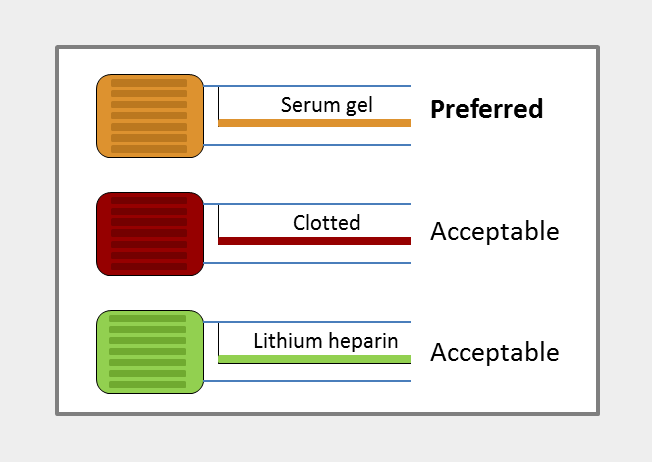
A bone profile is usually performed by taking a blood sample from a vein, commonly in the arm. The procedure is generally quick, although some people may experience temporary discomfort or mild bruising around the collection site. Whether fasting is necessary depends on the complete group of tests being requested, so patients should follow any preparation instructions supplied by their healthcare provider or laboratory.
The time required to receive results varies between laboratories and healthcare settings. Routine samples may be processed relatively quickly, but the complete process can include transporting the sample, laboratory analysis and clinical review. If other tests have been ordered at the same time, some results may take longer than others. Patients who need an exact timeframe should ask the testing service.
What Happens If Your Results Are Abnormal?
An abnormal result does not automatically mean that a serious medical condition is present. Healthcare professionals may first consider whether the difference is minor, whether similar results have appeared previously and whether other measurements support the same finding. In some cases, a repeat blood test can help determine whether an unexpected abnormality persists.
Further investigations depend on the individual result and clinical circumstances. These may include vitamin D, PTH, kidney function, liver tests or imaging where appropriate. A doctor may also review medicines, supplements and relevant symptoms. Patients should avoid changing prescribed medication or starting high-dose supplements based solely on an online interpretation of a blood test.
Key Takeaways About Bone Profile Blood Tests
A bone profile provides useful information about calcium and phosphate balance and includes markers associated with bone and liver activity. Common measurements include calcium, adjusted calcium, albumin, phosphate and ALP, although the exact panel can vary between laboratories. The test can support the investigation and monitoring of several conditions but does not provide a complete assessment of bone strength.
The most useful way to understand your result is to consider the reference range printed on your laboratory report and discuss unexpected findings with a healthcare professional. Blood results become much more meaningful when they are considered alongside symptoms, medical history, previous results and other investigations. An abnormal result can be a reason for further assessment rather than a diagnosis by itself.
Frequently Asked Questions About Bone Profile Blood Tests
What is a bone profile blood test?
A bone profile is a group of blood measurements used to assess calcium and phosphate metabolism and related biochemical markers. It commonly includes calcium, adjusted calcium, albumin, phosphate and ALP, although the exact tests can differ between laboratories. The results can help healthcare professionals investigate or monitor conditions affecting mineral balance and related organs.
What is included in a bone profile?
A typical profile may include calcium, adjusted calcium, albumin, phosphate and alkaline phosphatase. However, there is no guarantee that every laboratory will use exactly the same combination. Your own laboratory report should identify which measurements were performed and provide the appropriate reference range for each result.
What are normal bone profile blood test ranges?
Normal ranges vary between laboratories because different testing methods and reference populations may be used. Age and other patient characteristics can also affect certain measurements. Rather than relying on a generic range found online, compare your result with the reference interval printed on your laboratory report and discuss any concerns with your healthcare professional.
Does a bone profile show vitamin D deficiency?
A standard bone profile does not usually measure vitamin D directly. Vitamin D is generally assessed using a separate blood test. However, abnormal calcium or phosphate results may lead a clinician to investigate vitamin D status, particularly when symptoms or medical history suggest that such testing could be useful.
Can a bone profile detect cancer?
A bone profile cannot diagnose cancer. Certain cancers can cause abnormalities in blood chemistry, including calcium in some circumstances, but similar abnormalities can occur because of many non-cancerous conditions. If a result is concerning, further clinical assessment and appropriate investigations are needed to determine the underlying cause.
Can a bone profile detect arthritis?
A bone profile is not a dedicated test for arthritis. Arthritis affects joints and can have many different causes, so diagnosis may involve symptoms, physical examination, imaging and other investigations. A normal bone profile does not exclude arthritis or other conditions that can cause joint pain, stiffness or swelling.
What does a high ALP mean?
A high ALP can reflect increased activity involving bone or may be associated with the liver or bile ducts. Children and teenagers can naturally have higher ALP during growth, while pregnancy and fracture healing can also affect levels. Additional tests may help identify whether the elevation is more likely to originate from bone or liver tissue.
Do you need to fast before a bone profile?
Fasting requirements depend on the complete set of blood tests being performed. A bone profile alone may not always require fasting, but another test collected during the same appointment could have different preparation requirements. Always follow the instructions provided by your doctor, clinic or laboratory before attending the blood test.
How long do bone profile results take?
The turnaround time depends on the laboratory, healthcare setting and urgency of the test. Routine samples may be processed within a relatively short period, while additional tests or specialist investigations can take longer. The time you receive a result can also depend on when a healthcare professional reviews and releases it to you.
Is a bone profile the same as a bone density scan?
No. A bone profile is a blood test that assesses biochemical markers associated with mineral metabolism, while a DEXA or DXA scan measures bone mineral density. They answer different clinical questions. A healthcare professional may recommend one or both depending on symptoms, risk factors and the suspected underlying condition.
You may also read: What Makes Le Creuset Salt and Pepper Mills Popular