


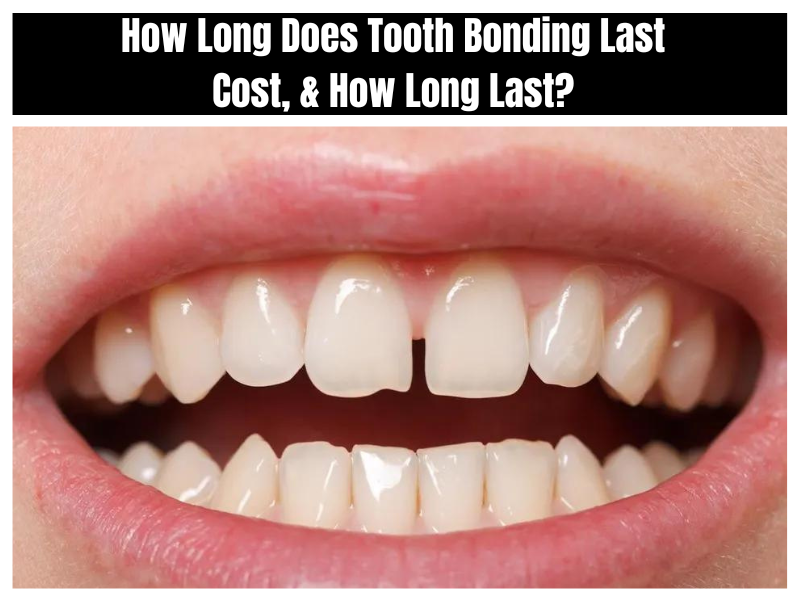


Composite bonding has become a popular cosmetic dental treatment for people who want to improve the appearance of chipped, discoloured, uneven or slightly misshapen teeth without undergoing a more invasive procedure. The treatment uses tooth-coloured composite resin that is carefully applied, shaped and hardened over the tooth. When professionally placed, it can create a natural-looking smile while preserving much of the original tooth structure.
For anyone asking how long does composite bonding last, the answer depends on several personal and practical factors rather than one fixed expiry date. A commonly expected lifespan is around five to seven years, although some bonding can remain in good condition for longer. Tooth location, biting pressure, oral hygiene, lifestyle habits, grinding and exposure to staining foods can all influence how long the result continues to look and function well.
How Long Does Composite Bonding Last?
Composite bonding can generally remain functional and attractive for several years, with many dental sources placing its broader lifespan somewhere between three and ten years. The difference between these figures is not necessarily a contradiction. Every patient’s teeth, bite, lifestyle and maintenance routine are different, so bonding can experience very different levels of stress from one person to another.
The condition of the restoration is often more important than the number of years since treatment. Bonding may gradually develop minor staining, lose some surface shine or show small areas of wear without completely failing. In these situations, a dentist may be able to polish, reshape or repair the material instead of replacing the entire restoration. This makes regular dental assessments valuable throughout its lifespan.
| Factor | Potential effect on bonding |
|---|---|
| Good oral hygiene | Helps maintain the surrounding teeth and restoration |
| Teeth grinding | Can increase wear and chipping |
| Hard or damaging habits | May shorten the restoration’s lifespan |
| Coffee, tea and red wine | Can contribute to staining |
| Front teeth | May experience less chewing pressure |
| Back teeth | Can experience greater biting forces |
| Regular dental reviews | Help identify problems early |
These figures should be viewed as general expectations rather than guarantees. A carefully maintained restoration may last toward the longer end of the range, while bonding exposed to significant pressure or damaging habits may require attention sooner. Your dentist can give the most useful estimate after considering your teeth and individual circumstances.
How Long Does Composite Bonding Last on Front Teeth?
Bonding on front teeth can provide long-lasting cosmetic improvement when it is properly placed and cared for. These teeth are often treated for aesthetic reasons, including reshaping short or uneven edges, repairing chips and improving the appearance of minor imperfections. Because front teeth generally perform different functions from heavily loaded back teeth, the forces placed on them can sometimes be more manageable.
However, front-tooth bonding still needs protection from unnecessary pressure. Biting fingernails, chewing hard objects, opening packaging with the teeth or suffering an accidental impact can cause chips. Since front teeth are highly visible, even a small change in the edge of a bonded tooth can be noticeable. Protecting the restoration is therefore especially important when maintaining a consistent smile.
What Factors Affect Composite Bonding Longevity?
Several factors influence how long does composite bonding last for a particular person. The quality of the original treatment is important, but the restoration also has to cope with the patient’s bite, chewing habits and everyday lifestyle. Someone who rarely exposes their teeth to excessive force may experience a very different outcome from someone who regularly grinds, clenches or bites hard objects.
Oral hygiene and dietary habits also have an effect on the overall appearance of bonded teeth. Poor cleaning can allow plaque and staining to build up around the restoration, while frequent consumption of dark-coloured drinks can contribute to surface discoloration. Regular professional check-ups allow a dentist to monitor these changes and determine whether the bonding remains healthy or needs maintenance.
Tooth Location and Bite Pressure
The position of the bonded tooth can influence its durability because different teeth experience different amounts and directions of pressure. Back teeth are heavily involved in chewing and may therefore be exposed to substantial forces. Front teeth can also experience pressure, particularly when they are used to bite into hard foods or when the patient’s bite places unusual contact on a bonded edge.
A dentist can evaluate how the upper and lower teeth meet when planning or reviewing bonding. If a restoration repeatedly receives excessive contact, it may be more vulnerable to wear or chipping. Understanding the bite is particularly important for patients who have a history of grinding or clenching, because repeated pressure can gradually affect both natural teeth and cosmetic restorations.

Teeth Grinding, Clenching and Damaging Habits
Teeth grinding and clenching can put considerable stress on composite resin. Repeated pressure may gradually contribute to surface wear, small fractures or chips, particularly when bonding has been placed on areas that come into frequent contact during biting. If you regularly grind your teeth at night or notice that you clench your jaw, discussing this with a dentist can help identify suitable protective measures.
Everyday habits can also cause avoidable damage. Biting fingernails, chewing pens, opening packets with your teeth and chewing very hard objects can place unnecessary pressure on bonded areas. These behaviours may seem minor, but repeating them over months or years can increase the chance of damage. Breaking these habits is one of the simplest ways to help preserve composite bonding.
Food, Drinks and Staining
Composite resin can resist some staining, but it is generally more susceptible to discoloration than porcelain. Drinks such as coffee, tea and red wine contain pigments that can gradually affect the surface of cosmetic bonding. Smoking can also contribute to discoloration. Limiting frequent exposure to heavily pigmented substances can help the restoration retain a cleaner and more consistent appearance.
Staining does not necessarily mean the bonding has structurally failed. A bonded tooth can remain firmly attached while its surface becomes less bright over time. Depending on the condition of the material, professional cleaning or polishing may improve its appearance. If significant discoloration occurs alongside chips, wear or other deterioration, a dentist can determine whether repair or replacement would provide a better result.
How to Make Composite Bonding Last Longer
Protecting bonded teeth begins with everyday oral hygiene. Brushing regularly with a soft toothbrush and fluoride toothpaste, cleaning between the teeth and attending routine dental appointments can help maintain the health of the surrounding teeth and gums. Bonding should be treated as part of your overall oral health rather than as a completely separate cosmetic feature.
Your habits are equally important. Avoid using bonded teeth as tools, biting hard objects or repeatedly chewing items that can damage the resin. If grinding or clenching is a concern, ask your dentist whether a suitable protective appliance could help. Taking these precautions does not guarantee a particular lifespan, but it can reduce avoidable stress and support longer-lasting results.
What Happens to Composite Bonding Over Time?
Composite bonding usually ages gradually rather than suddenly stopping on a particular date. Over several years, you may notice changes such as reduced shine, mild staining, small chips or slight wear along the edges. These changes can develop slowly and may not interfere with the basic function of the tooth, particularly when the restoration remains securely bonded.
The cosmetic lifespan can sometimes differ from the functional lifespan. A restoration may still be intact but no longer look as fresh as it did when first completed. Regular dental reviews can help distinguish normal ageing from problems that require treatment. Depending on the situation, polishing or a minor repair may be enough to restore the appearance without replacing the whole restoration.
Signs Your Composite Bonding Needs Attention
A visible chip is an obvious reason to arrange a dental appointment, but other changes should also be taken seriously. A sharp edge, noticeable crack, unusual sensitivity, significant staining or a change in the way your teeth come together can indicate that the restoration needs professional assessment. It is better to have a developing problem evaluated rather than allowing additional damage to occur.
You should never attempt to file, reshape or repair composite bonding yourself. Professional repair requires appropriate dental materials and careful finishing to ensure the result feels comfortable and fits properly with the surrounding teeth. Depending on the problem, a dentist may recommend smoothing the surface, polishing it, adding new composite or replacing the restoration completely.
Can Composite Bonding Be Repaired Instead of Replaced?
One of the useful characteristics of composite bonding is that minor damage can sometimes be repaired without removing the entire restoration. A dentist may be able to add fresh composite to a small chipped area, smooth a rough edge or polish surface discoloration. This can make maintenance relatively straightforward when the underlying tooth and remaining restoration are healthy.
Complete replacement may become more appropriate when bonding has extensive damage, repeated failures, substantial wear or significant aesthetic deterioration. The decision depends on the individual tooth rather than a simple rule. Your dentist can examine the restoration and explain whether a small repair would be sufficient or whether starting again would provide a more predictable result.
Composite Bonding After 5 Years
Five years does not automatically mean composite bonding has reached the end of its life. Many restorations can still be attractive and functional at this point, particularly when they have received good care and have not been exposed to excessive forces. Instead of replacing bonding simply because it is five years old, dentists generally assess its actual condition.
A review may look for staining, chips, surface wear, changes around the edges and problems caused by the bite. If the bonding remains healthy and satisfactory, continuing normal maintenance may be appropriate. Minor imperfections can sometimes be managed with polishing or repair, allowing the restoration to remain useful for longer without unnecessary replacement.
Composite Bonding After 10 Years
Ten years represents the longer end of the commonly reported lifespan for composite bonding, but reaching this milestone does not automatically mean the restoration must be removed. Some patients may still have serviceable bonding, while others may have needed repairs or replacement earlier because of wear, grinding, accidents or lifestyle factors.
The important consideration is the condition of the restoration and the tooth underneath it. Significant chipping, staining, worn edges or repeated repairs may make replacement sensible. Conversely, bonding that remains stable, comfortable and aesthetically acceptable may not need immediate replacement simply because it has reached ten years.
Composite Bonding vs Veneers
Composite bonding and porcelain veneers can both improve the appearance of teeth, but they involve different materials and treatment approaches. Bonding is generally more conservative and can often be completed without significant removal of natural enamel. It can also be repaired relatively easily if a small area becomes damaged, which makes it attractive for people seeking a less invasive cosmetic option.
Porcelain veneers are generally more resistant to staining and can offer a longer cosmetic lifespan, but they involve different preparation requirements and are not simply a permanent version of bonding. Choosing between the two depends on factors such as tooth condition, cosmetic goals, budget, bite and long-term expectations. A dentist can explain which option is appropriate for your particular circumstances.
Does Composite Bonding Need Regular Maintenance?
Composite bonding does not require complicated daily care, but maintaining good oral hygiene is important. Brushing twice a day, cleaning between the teeth and attending regular dental appointments can help protect both the restoration and the natural tooth beneath or around it. Professional cleaning may also help maintain the appearance of the bonded areas when appropriate.
Maintenance appointments provide an opportunity to identify small changes before they become larger concerns. A dentist can check the bonding, gums, surrounding teeth and bite during routine examinations. Detecting minor wear or damage early may make it possible to repair the restoration before more extensive treatment becomes necessary.
What Happens When Composite Bonding Needs Replacing?
When a bonded restoration reaches the end of its useful life, the dentist will assess both the composite and the underlying tooth. Depending on its condition, the next step could involve polishing, repairing the existing material or removing and replacing it. The decision should be based on the actual condition of the restoration rather than an arbitrary replacement date.
Replacement does not necessarily mean that the natural tooth has been damaged or weakened. Composite bonding is designed to improve or restore the appearance of a tooth while preserving its underlying structure where possible. Your dentist can explain what remains healthy, what needs attention and whether repeating the bonding procedure is suitable.
Composite Bonding Cost and Replacement Considerations
The cost of composite bonding varies according to the number of teeth being treated, the complexity of the procedure, the amount of material required and the fees charged by an individual dental practice. Because treatment plans differ considerably, online prices should be viewed as general guidance rather than a guaranteed cost for a particular patient.
Longevity should also be considered when comparing cosmetic dental options. Bonding may be attractive because it is generally conservative and repairable, but future maintenance or replacement can form part of the long-term cost. A consultation can help you understand the expected treatment, maintenance requirements and available alternatives before making a decision.
Conclusion
So, how long does composite bonding last? A realistic expectation for many patients is several years, with around five to seven years often used as a general guide. However, bonding can have a broader lifespan of approximately three to ten years depending on factors such as tooth location, bite pressure, oral habits, hygiene and exposure to staining substances.
The best way to extend the life of composite bonding is to protect it from unnecessary pressure while maintaining good oral hygiene and attending regular dental check-ups. Avoiding damaging habits, managing teeth grinding and addressing small problems early can all support better long-term results. Rather than focusing only on the age of the restoration, pay attention to its condition and have any noticeable changes professionally assessed.
Frequently Asked Questions About Composite Bonding
How long does composite bonding last on average?
Composite bonding commonly lasts several years, with five to seven years being a practical general expectation. However, there is considerable variation between patients. Some restorations may need repair sooner, while others can remain attractive and functional for longer when they are properly maintained and protected from excessive pressure.
Can composite bonding last 10 years?
Yes, composite bonding can sometimes remain in good condition for around ten years, although this should be regarded as the longer end of the expected range rather than a guarantee. Individual habits, tooth location, grinding, maintenance and accidental damage can all influence whether a restoration reaches this point.
Does composite bonding last longer on front teeth?
Bonding on front teeth can sometimes last toward the longer end of its expected lifespan because these teeth may experience different forces from back teeth. However, front teeth can still chip through grinding, biting hard objects, accidents or damaging habits, so careful maintenance remains important.
What makes composite bonding wear out faster?
Grinding and clenching can increase pressure on bonded teeth, while habits such as nail-biting, chewing hard objects or using teeth to open packages can contribute to chips and wear. Frequent exposure to coffee, tea, red wine and smoking may also affect the cosmetic appearance by contributing to staining.
Can composite bonding be repaired if it chips?
Minor chips can sometimes be repaired without replacing the entire restoration. A dentist may add composite, smooth the damaged area or polish the surface depending on the extent of the problem. Larger or repeated damage may require replacement, so professional assessment is important before deciding what treatment is needed.
Does coffee stain composite bonding?
Coffee can contribute to staining over time because composite resin is generally more vulnerable to discoloration than porcelain. Regular oral hygiene and limiting frequent exposure to strongly pigmented drinks can help maintain the appearance of bonded teeth. Professional polishing may also improve some surface staining when clinically appropriate.
How can I make composite bonding last longer?
Good oral hygiene, regular dental examinations and sensible eating habits can help protect composite bonding. Avoid biting fingernails, chewing hard objects or using teeth as tools. If you grind or clench your teeth, speak with your dentist about suitable ways to reduce the pressure placed on the restoration.
What happens to composite bonding after five years?
There is no automatic change at the five-year mark. Some bonding may still look excellent, while other restorations may show staining, minor chips or surface wear. A dentist can assess its condition and decide whether continued maintenance is appropriate or whether polishing, repair or replacement would be beneficial.
What happens to composite bonding after ten years?
After ten years, a bonded restoration may show more noticeable wear or staining, but its age alone does not determine whether it needs replacement. The dentist should assess the restoration, surrounding tooth, bite and overall appearance before recommending treatment. Some older bonding may remain suitable for continued use.
Is composite bonding worth it if it does not last forever?
Composite bonding can still be a worthwhile cosmetic option because it can improve tooth appearance while generally requiring less invasive preparation than some alternatives. Its finite lifespan means future maintenance should be considered, but its conservative nature, repairability and relatively straightforward treatment can make it suitable for many patients.