





What Is Meant by Turkey Teeth?
The phrase Turkey teeth gone wrong has become increasingly common as cosmetic dentistry abroad continues to attract patients looking for affordable smile makeovers. The term “Turkey teeth” is widely used to describe cosmetic dental treatments such as porcelain crowns, veneers, bridges, and dental implants completed in Turkey. Many people choose Turkey because treatment costs are significantly lower than in countries such as the United Kingdom, while many clinics also advertise modern facilities, experienced dentists, and all-inclusive travel packages. For many patients, treatment is successful and provides a healthy, attractive smile that lasts for years.
Despite the popularity of dental tourism, the phrase has also become associated with cases where treatment does not meet professional standards or patient expectations. Problems usually arise because of poor planning, rushed procedures, inadequate diagnostics, or selecting a clinic based solely on price rather than experience and reputation. It is important to understand that complications are not unique to Turkey, nor do they reflect the standards of every dental clinic in the country. Instead, they highlight the importance of choosing qualified professionals who prioritise long-term oral health over cosmetic appearance alone.
Why Do Turkey Teeth Go Wrong?
Many unsuccessful cosmetic dentistry cases begin before any dental work is performed. One of the biggest mistakes patients make is focusing exclusively on cost instead of researching the clinic, the dentist’s qualifications, and the treatment process. Attractive online advertisements and dramatic before-and-after photographs can create unrealistic expectations, making it difficult to distinguish reputable clinics from providers that prioritise high patient volumes over personalised care. Taking time to compare clinics, read verified reviews, and request detailed treatment plans significantly reduces the risk of disappointment.
Another common factor is aggressive treatment planning. Some patients receive full-mouth crowns even when less invasive options, such as veneers or composite bonding, could preserve much more of their natural tooth structure. Crowns often require substantial removal of healthy enamel, making the teeth permanently dependent on restorations. If those restorations fail because of poor preparation, low-quality materials, or inaccurate fitting, patients may later require root canal treatment, replacement crowns, or even extractions. Careful planning, comprehensive examinations, and conservative dentistry remain the safest approach for achieving attractive and durable results.
Common Complications of Turkey Teeth Gone Wrong
The complications associated with Turkey teeth gone wrong range from minor cosmetic concerns to serious oral health problems requiring extensive restorative treatment. One of the earliest symptoms patients report is prolonged tooth sensitivity. While some temporary discomfort is normal after crowns or veneers are fitted, pain that continues for several weeks may indicate exposed nerves, poor crown margins, or excessive tooth reduction. Persistent discomfort should never be ignored because early intervention often prevents more complex treatment later.
Other complications involve poorly fitting restorations that allow bacteria to accumulate beneath crowns or around the gum line. This creates an ideal environment for tooth decay, chronic gum inflammation, unpleasant breath, and bacterial infection. Patients may also experience bite problems if restorations are incorrectly shaped or positioned, resulting in jaw discomfort, headaches, uneven tooth wear, or difficulty chewing. In more severe situations involving dental implants, failed integration with the jawbone may require surgical removal and further reconstructive procedures before replacement implants can be considered.
Warning Signs You Should Never Ignore
Recognising warning signs early can make a significant difference to the success of corrective treatment. Persistent pain, increasing sensitivity, swollen gums, bleeding around crowns, or discomfort while chewing should always be assessed by a qualified dentist. Although some mild tenderness is expected immediately after treatment, symptoms should gradually improve rather than become worse. Ongoing discomfort often indicates that the restoration requires adjustment or that an underlying problem, such as infection or bite imbalance, has developed.
Patients should also monitor visible changes in their restorations. Crowns that feel loose, noticeable gaps between the crown and the gum, unpleasant tastes in the mouth, or recurring bad breath may suggest bacteria have entered beneath the restoration. Facial swelling, fever, or pus around treated teeth requires urgent professional assessment because these symptoms may indicate an active infection. Seeking treatment promptly often prevents more extensive damage, reduces overall treatment costs, and improves the chances of preserving both the restoration and the natural tooth beneath it.
Turkey Teeth Gone Wrong Before and After
Many promotional photographs focus exclusively on dramatic cosmetic improvements, showing bright, perfectly aligned smiles immediately after treatment. While these images can be impressive, they rarely demonstrate how the restorations perform after months or years of daily use. A successful cosmetic dental procedure should improve both appearance and function, allowing patients to chew comfortably, speak naturally, and maintain healthy gums. Long-term durability is a far more meaningful measure of success than an attractive photograph taken on the day treatment is completed.
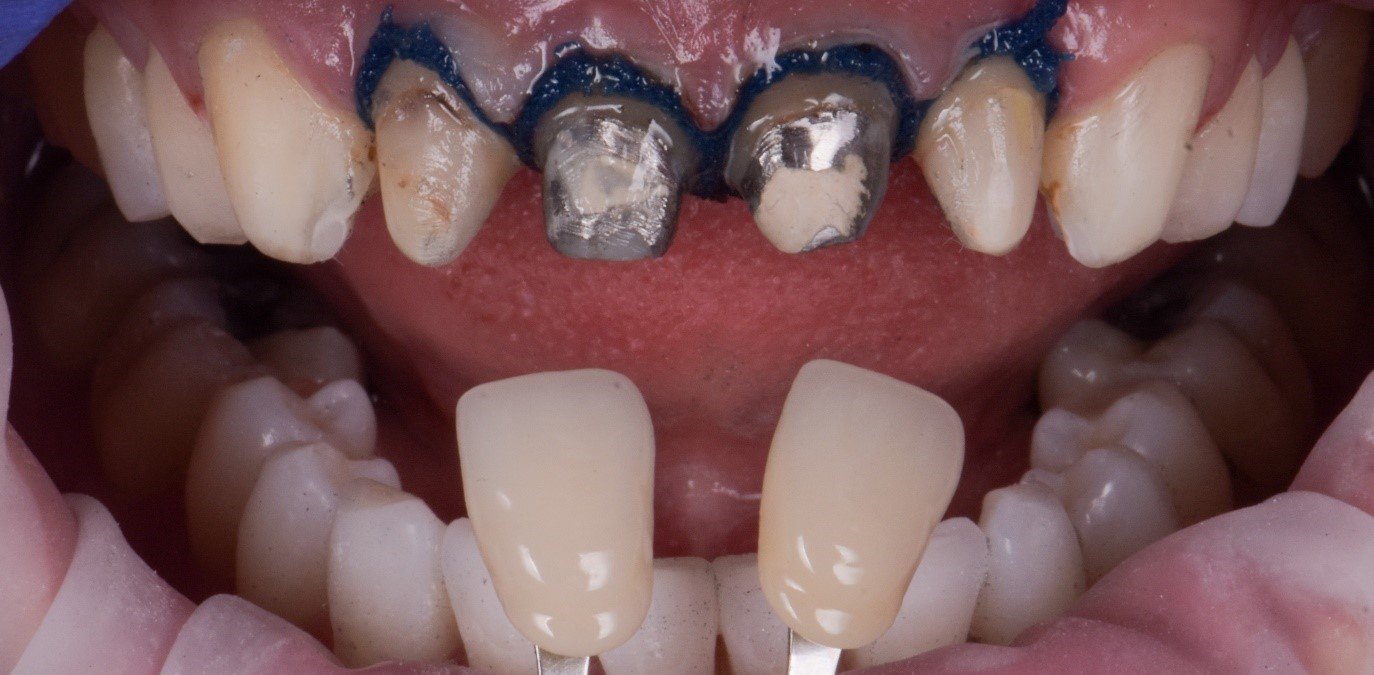
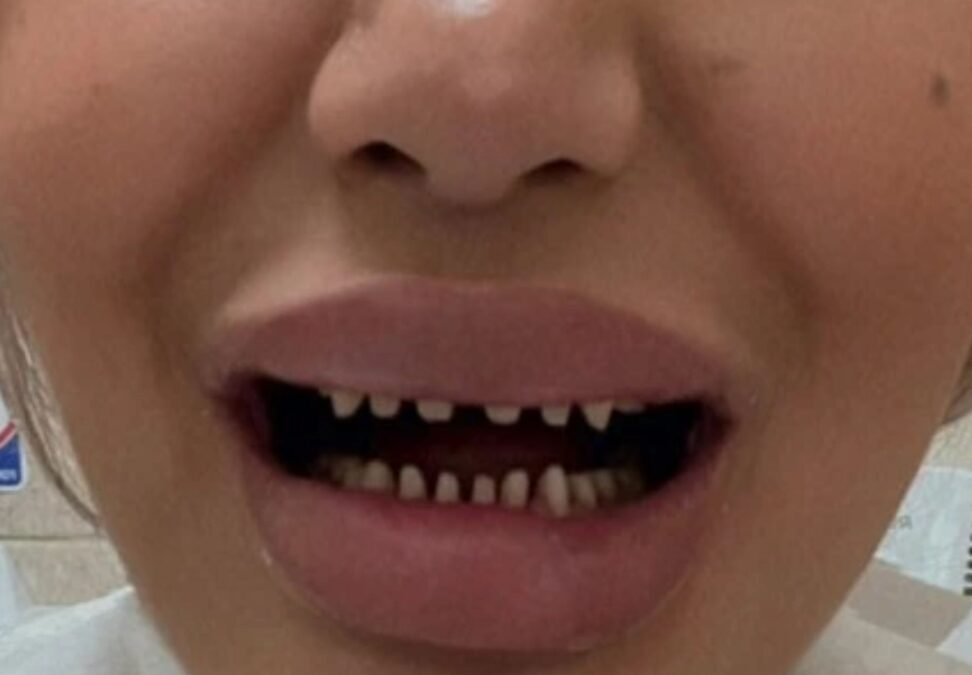
In contrast, cases involving Turkey teeth gone wrong often reveal that cosmetic appearance alone cannot guarantee healthy dental work. Crowns may appear excessively large, unnaturally white, or poorly proportioned to the patient’s facial features. More importantly, hidden issues such as leaking crown margins, gum disease, infection beneath restorations, or bite misalignment may not become noticeable until weeks or months after returning home. This highlights why choosing experienced professionals and receiving comprehensive aftercare are just as important as achieving an attractive smile.
Real Causes Behind Failed Cosmetic Dental Treatment
Failed cosmetic dentistry rarely results from a single mistake. Instead, it usually develops through a combination of inadequate planning, insufficient communication, and poor clinical decision-making. Some clinics rely on limited examinations without obtaining detailed digital scans or assessing the patient’s overall oral health. Existing gum disease, untreated decay, or bite problems may therefore remain undiagnosed before cosmetic treatment begins, increasing the likelihood of future complications. Comprehensive diagnostics are essential because cosmetic dentistry should always be built upon a healthy foundation.
Patient expectations also play an important role in treatment outcomes. Many individuals request dramatic smile transformations influenced by celebrities or social media trends without fully understanding the biological limitations of their own teeth. Ethical cosmetic dentists focus on preserving healthy tooth structure whenever possible and recommend treatments that balance aesthetics with long-term function. Patients who actively participate in treatment planning, ask informed questions, and understand the maintenance requirements of their restorations are generally more satisfied with their results.
Warning Signs You Should Never Ignore
Recognising the early signs of complications can make a significant difference to the outcome of corrective treatment. Mild discomfort is expected after many dental procedures, but symptoms that become worse instead of improving should never be ignored. Persistent pain lasting several weeks, increased sensitivity to hot or cold foods, swelling around the gums, or discomfort when biting down may indicate that the restoration is not functioning correctly. Seeking professional advice at the earliest opportunity often prevents a relatively minor problem from developing into a more serious dental condition.
Patients should also pay close attention to changes in the appearance or stability of their dental work. Crowns or veneers that feel loose, move slightly during chewing, or leave noticeable gaps near the gum line require immediate assessment. Other warning signs include bleeding gums, persistent bad breath despite good oral hygiene, an unpleasant taste in the mouth, facial swelling, or difficulty closing the mouth comfortably. These symptoms can point to bacterial infection, poor crown margins, or bite problems that need prompt treatment. Early intervention generally improves the chances of preserving both the restoration and the natural tooth underneath.
Turkey Teeth Gone Wrong Before and After
Many people are attracted to cosmetic dentistry because they hope to achieve a brighter, straighter, and more confident smile. When treatment is planned correctly, the results should look natural, complement the patient’s facial features, and improve both appearance and function. A successful smile makeover should not only enhance aesthetics but also allow comfortable chewing, clear speech, and healthy gums. High-quality cosmetic dentistry aims to create long-lasting improvements while preserving as much natural tooth structure as possible.
In unsuccessful cases, however, the difference between expectations and reality can be considerable. Some patients report crowns that appear overly large, excessively white, unevenly shaped, or inconsistent with the rest of their facial appearance. More importantly, cosmetic concerns are often accompanied by functional problems such as pain, poor bite alignment, gum irritation, or ongoing sensitivity. It is important to understand that photographs shared online rarely reveal underlying dental health. A smile may look attractive in pictures while hiding issues that require professional diagnosis and treatment.
Real Causes Behind Failed Turkey Teeth Cases
Every patient has a unique dental history, but many unsuccessful cosmetic cases share similar underlying causes. One of the most common problems is inadequate assessment before treatment begins. Comprehensive examinations should include digital X-rays, photographs, bite analysis, and, where appropriate, three-dimensional CBCT scans. Without detailed diagnostics, dentists may overlook existing decay, gum disease, bone loss, or bite irregularities that could compromise the long-term success of cosmetic treatment. Proper planning remains one of the most important steps in preventing avoidable complications.
Patient expectations also play an important role in treatment outcomes. Some individuals request dramatic transformations inspired by celebrity smiles or social media images without fully understanding the biological limits of their own teeth. Ethical cosmetic dentists focus on creating healthy, balanced results rather than pursuing unrealistic cosmetic ideals. Lifestyle factors such as smoking, poor oral hygiene, untreated teeth grinding, and failure to attend follow-up appointments can also reduce the lifespan of crowns, veneers, and implants, even when the original treatment has been completed to a high standard.
The Long-Term Risks of Poor Dental Work
Poor-quality cosmetic dentistry can have consequences that extend far beyond appearance. Excessive reduction of healthy teeth permanently weakens natural tooth structure, making those teeth dependent on crowns or other restorations for the rest of the patient’s life. If these restorations eventually fail, replacing them often becomes increasingly complex because less healthy tooth structure remains to support new dental work. Preserving natural teeth whenever possible remains one of the fundamental principles of modern dentistry.
Untreated infections beneath crowns or around implants may gradually damage surrounding gum tissue and jawbone. Over time, this can result in gum recession, loose teeth, chronic inflammation, bone loss, and, in severe cases, tooth extraction. Beyond the physical effects, unsuccessful cosmetic treatment can also influence emotional well-being. Many patients report reduced confidence, anxiety about future dental care, or reluctance to smile in social situations. Receiving appropriate corrective treatment not only restores oral health but often improves self-esteem and overall quality of life.
How Dentists Diagnose Failed Turkey Teeth
Diagnosing failed cosmetic dental work requires a comprehensive evaluation rather than a simple visual examination. Dentists begin by reviewing the patient’s symptoms, medical history, and previous treatment before carefully examining the condition of the crowns, veneers, implants, gums, and surrounding teeth. They assess bite alignment, tooth mobility, gum health, and any visible signs of wear or damage. This thorough clinical examination helps identify obvious concerns while guiding further investigation where necessary.
Advanced imaging technology provides valuable information that cannot be seen during a routine examination. Digital X-rays help detect hidden decay beneath crowns, while CBCT scans create detailed three-dimensional images of teeth, roots, jawbone, and dental implants. These scans are particularly useful for identifying infections, bone loss, nerve involvement, or implant positioning problems. Dentists may also perform bite analysis to determine whether uneven pressure is contributing to pain or premature wear. Combining these diagnostic methods allows for accurate treatment planning and improves the likelihood of successful corrective care.
Treatment Options for Turkey Teeth Gone Wrong
The most appropriate treatment depends on the type and severity of the complication. Minor problems, such as crowns that are slightly too high or small bite imbalances, can often be corrected with careful adjustments that restore comfort and chewing efficiency. In some situations, replacing a poorly fitted crown or veneer is enough to eliminate discomfort and improve both function and appearance. Early intervention usually provides simpler and more predictable solutions than delaying treatment until complications become more advanced.
More complex cases may require comprehensive restorative care involving several different procedures. Teeth affected by infection may need root canal treatment before receiving new crowns, while advanced gum disease requires specialised periodontal therapy to restore healthy supporting tissues. Failed implants sometimes need surgical removal, bone grafting, and replacement after healing has occurred. Patients with multiple failed restorations may benefit from full-mouth rehabilitation, a carefully planned approach that rebuilds the smile while improving bite function, comfort, aesthetics, and long-term durability.
Recovery After Corrective Dental Treatment
Recovering from corrective dental treatment depends on the type of procedure performed and the overall condition of the patient’s oral health. Minor adjustments to crowns or veneers may require only a few days of recovery, while more complex procedures such as implant replacement, gum surgery, or bone grafting can take several months before complete healing occurs. Following the dentist’s instructions carefully during this period is essential because proper aftercare significantly improves long-term treatment success and reduces the risk of additional complications.
During recovery, patients are usually advised to maintain excellent oral hygiene while avoiding excessive pressure on treated teeth. Soft foods, gentle brushing, and antimicrobial mouth rinses may be recommended during the initial healing period. Follow-up appointments allow the dentist to monitor progress, adjust the bite if necessary, and identify any concerns before they become serious. Patients should also avoid smoking and maintain a balanced diet, as these habits support healthy healing and help preserve the longevity of new restorations.
Can Turkey Teeth Gone Wrong Be Prevented?
Although no dental procedure is completely free from risk, many complications can be prevented through careful planning and informed decision-making. Before committing to treatment abroad, patients should research clinics thoroughly rather than focusing only on attractive prices or promotional offers. Reading verified patient reviews, checking professional qualifications, reviewing before-and-after cases, and confirming the dentist’s experience with cosmetic procedures all help reduce unnecessary risks. A reputable clinic will also provide a detailed consultation instead of promising identical treatments for every patient.
Patients should never feel pressured into making quick decisions. Asking questions about treatment options, expected outcomes, materials used, and long-term maintenance allows individuals to make informed choices based on their personal needs. Obtaining an independent consultation from a local dentist before travelling can also provide valuable guidance about whether cosmetic treatment is appropriate. Preventing Turkey teeth gone wrong is usually far easier, less stressful, and more affordable than correcting avoidable mistakes after treatment has been completed.
How to Choose a Safe Cosmetic Dental Clinic
Selecting the right clinic is one of the most important decisions in any cosmetic dental journey. Reputable providers invest in modern diagnostic technology, transparent treatment planning, and ongoing professional development. Patients should look for clinics that explain every stage of treatment, discuss potential risks honestly, and recommend conservative options whenever appropriate. Ethical dentists focus on preserving healthy tooth structure rather than performing unnecessary procedures simply to achieve dramatic cosmetic changes.
Communication is equally important throughout the treatment process. A trustworthy clinic should answer questions clearly, provide written treatment plans, explain costs without hidden charges, and outline realistic expectations for recovery and maintenance. It is also helpful to ask about aftercare arrangements, warranty policies, and whether follow-up support is available after returning home. Choosing a clinic based on quality, experience, and patient care rather than cost alone greatly improves the likelihood of achieving safe, attractive, and long-lasting results.
Turkey Teeth vs Veneers vs Crowns vs Implants
Many people use the phrase “Turkey teeth” as though it describes one specific procedure, but it actually refers to cosmetic dental treatment performed in Turkey. The most suitable treatment varies depending on the patient’s oral health, cosmetic goals, and the condition of their natural teeth. Understanding the differences between common restorative options helps patients make informed decisions and discuss suitable treatments with their dentist.
| Treatment | Best For | Tooth Preparation | Expected Longevity | Main Considerations |
| Porcelain Veneers | Improving colour, shape, and minor imperfections | Minimal in suitable cases | 10–15+ years | May chip or require replacement over time |
| Dental Crowns | Protecting weakened or heavily restored teeth | Moderate to significant | 10–15+ years | Requires more tooth reduction than veneers |
| Dental Implants | Replacing missing teeth | Surgical placement | 15+ years with proper care | Requires healthy bone and healing time |
| Composite Bonding | Small cosmetic improvements | Minimal or none | 5–8 years | More affordable but less durable than porcelain |
Every treatment has advantages and limitations. A qualified cosmetic dentist evaluates the patient’s oral health before recommending the most appropriate option. Preserving healthy natural teeth should always remain the priority, and treatment should be based on clinical need rather than trends or social media popularity.
Are Turkey Teeth Safe?
Turkey has become one of the world’s leading destinations for dental tourism because many clinics provide excellent care using modern equipment, experienced professionals, and internationally recognised techniques. Thousands of patients travel each year and return home satisfied with their treatment. It is therefore inaccurate to assume that cosmetic dentistry in Turkey is inherently unsafe. The quality of care depends far more on the individual clinic, the dentist’s experience, and the planning process than on the country where treatment takes place.
Problems usually arise when patients choose providers based solely on the lowest advertised prices or unrealistic marketing claims. Safe cosmetic dentistry requires thorough diagnosis, personalised treatment planning, high-quality materials, and reliable aftercare. Patients who invest time in researching clinics, understanding recommended procedures, and maintaining realistic expectations generally experience much better outcomes. Informed decisions, rather than geographical location, remain the most important factor in achieving successful cosmetic dental treatment.
Conclusion
Cosmetic dentistry has transformed countless smiles, and Turkey continues to attract patients seeking affordable, high-quality treatment. However, understanding the potential risks is just as important as appreciating the benefits. Most cases associated with Turkey teeth gone wrong result from inadequate planning, rushed procedures, poor clinic selection, or insufficient follow-up rather than the destination itself. Careful research and realistic expectations significantly reduce the likelihood of complications.
Anyone considering cosmetic dental treatment should prioritise clinical expertise, transparent communication, and comprehensive aftercare over low prices alone. Likewise, patients experiencing pain, swelling, loose restorations, or persistent discomfort after treatment should seek professional assessment without delay. Early diagnosis often prevents more serious complications and improves the chances of preserving both oral health and cosmetic results. With informed decision-making and the support of qualified professionals, patients can enjoy long-lasting improvements that combine both function and aesthetics.
Frequently Asked Questions
What does Turkey teeth gone wrong mean?
The phrase refers to cosmetic dental treatment that results in complications such as poorly fitted crowns, infections, bite problems, nerve damage, or unsatisfactory cosmetic outcomes. While the term is widely associated with dental tourism, the underlying causes are usually related to treatment quality, planning, and aftercare rather than the location itself.
Can failed Turkey teeth be repaired?
Yes. Many complications can be corrected through treatments such as crown replacement, root canal therapy, gum treatment, implant revision, or full-mouth rehabilitation. The exact solution depends on the severity of the problem and the condition of the remaining natural teeth and supporting bone.
Why do some cosmetic dental treatments fail?
Treatment may fail because of inadequate diagnosis, aggressive tooth preparation, poor-quality materials, inaccurate bite alignment, or insufficient follow-up care. Lifestyle factors such as smoking, poor oral hygiene, and untreated teeth grinding can also reduce the lifespan of cosmetic restorations.
Are all dental clinics in Turkey unsafe?
No. Many Turkish dental clinics provide excellent standards of care and achieve outstanding results for international patients. Choosing a reputable clinic with experienced dentists, modern technology, and transparent treatment planning is far more important than focusing solely on price.
How can I reduce the risk of complications?
Research clinics carefully, verify professional credentials, request a detailed treatment plan, understand the recommended procedure, and ask about aftercare before committing to treatment. Seeking an independent dental opinion before travelling can also help you make an informed decision.
How long do cosmetic dental restorations last?
The lifespan of veneers, crowns, and implants varies depending on the materials used, the quality of treatment, and how well they are maintained. With excellent oral hygiene, regular dental check-ups, and healthy lifestyle habits, many restorations remain functional and attractive for well over a decade.
You may also read What Is Flamingo Land Loch Lomond?