




Introduction to Branch Hill House
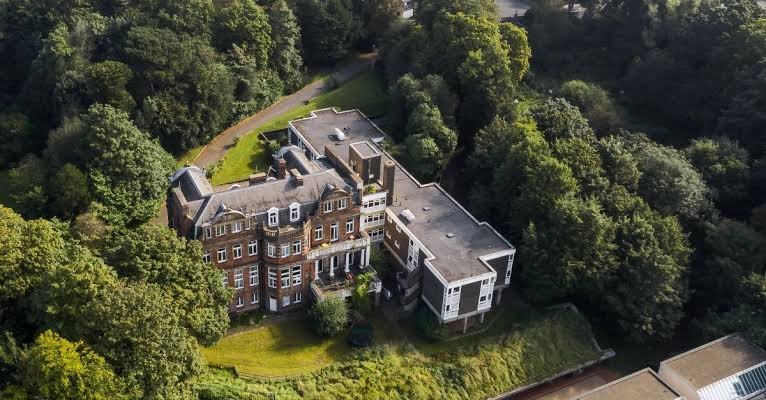
Branch Hill House is a historic mansion situated in Hampstead, North London, an area recognised for its elegant residential properties, architectural heritage and attractive green spaces. The property has gained renewed attention following plans to transform the former care home into a luxury residential development. Its history, distinctive Edwardian architecture and prominent location make it an interesting subject for anyone exploring London’s historic properties and evolving property market.
The proposed redevelopment, known as No.1 Hampstead, represents a new chapter for the estate. Following its acquisition by Bentry Capital for a reported £16.4 million in December 2025, plans were announced to restore the original mansion and introduce contemporary apartments. The project aims to bring together historic character and modern residential design while maintaining the property’s connection to Hampstead’s architectural identity.
Where Is Branch Hill House Located?
Branch Hill House stands on Branch Hill, Hampstead, London NW3 7LS. Its location places it within one of North London’s most recognisable residential neighbourhoods, known for its village atmosphere, historic streets and established property market. Hampstead offers a distinctive combination of traditional architecture, independent businesses and convenient connections to other parts of the capital, making it an attractive location for people seeking a balance between urban living and quieter surroundings.
The surrounding neighbourhood provides access to Hampstead Heath, local shops, restaurants, cafés and cultural attractions. Residents can enjoy outdoor activities and everyday conveniences without travelling far from home. The area’s established residential character also contributes to the appeal of properties in this part of London, particularly those offering architectural interest and access to landscaped surroundings.
The History of Branch Hill House
The history of the estate extends beyond the construction of the present mansion. Historical accounts trace the site’s origins to an earlier manor house built in 1741 for Sir Thomas Clark, who served as Master of the Rolls. Over time, the property became associated with several prominent figures, reflecting Hampstead’s development as a desirable residential location for wealthy individuals and influential families.
The current mansion was constructed in 1901 for banking figure John Nivison, later the 1st Baron Glendyne. Its construction introduced a substantial Edwardian residence to the estate, giving the property much of the architectural character recognised today. The distinction between the earlier manor house and the present building is important because the estate’s history includes several periods of architectural and residential change.
From Private Mansion to Former Care Home
During the twentieth century, the property experienced a significant change in ownership and purpose. Camden Council purchased the mansion in 1964, after which it became a care home. This institutional use continued for several decades, introducing a different role for the historic residence within the local community. The building reportedly accommodated approximately 62 beds, making it a substantial care facility rather than a conventional private home.
The care home eventually closed in 2015, leaving the property with considerable redevelopment potential. Its former institutional use and subsequent period of transition created an opportunity to reconsider how the building and its grounds could be used. The latest proposals seek to restore the mansion’s residential identity while addressing the practical requirements of contemporary housing.
Architecture and Design of the Historic Mansion
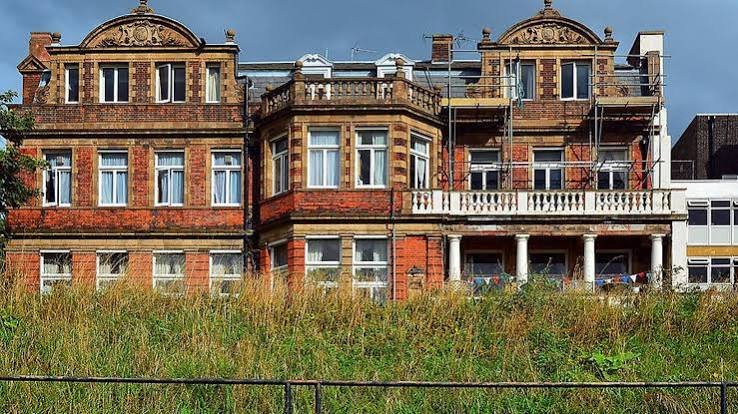
The present mansion was built in an Edwardian Baroque style, reflecting the preference for impressive proportions and traditional architectural detailing associated with substantial residences of the period. Its grand appearance distinguishes it from many contemporary residential buildings in Hampstead. The design contributes to the property’s historical importance and provides a foundation for the proposed restoration and redevelopment work.
The estate occupies approximately 1.7 acres, while the existing building provides around 23,456 square feet of accommodation. These dimensions offer considerable scope for adapting the property while retaining its historic character. The restoration approach is intended to preserve important architectural features and improve the relationship between the original mansion, its landscaped surroundings and the proposed contemporary additions.
The Importance of Architectural Heritage
Restoring an established historic building requires careful consideration of its original design and the demands of modern residential living. Traditional façades, distinctive proportions and period details contribute to a property’s identity, so redevelopment should avoid unnecessary alterations that weaken its architectural character. In the case of this Hampstead estate, preserving the Edwardian mansion is an important part of the proposed transformation.
The challenge is to introduce modern accommodation without making the historic structure feel disconnected from its surroundings. Contemporary construction, improved building performance and suitable residential layouts must work alongside the original architecture. A successful approach could give the mansion a renewed purpose while maintaining the features that make it distinctive within Hampstead.
The Proposed No.1 Hampstead Development
The redevelopment proposal marks an important stage in the property’s evolution. Following its acquisition by Bentry Capital, plans were announced to restore the historic mansion and create a luxury residential scheme marketed as No.1 Hampstead. The project involves more than converting existing rooms into apartments, as it also includes replacing the later extension and introducing additional residential accommodation.
The latest announced plans describe approximately 50 apartments, including one-, two- and three-bedroom homes, alongside a standalone townhouse. Earlier proposals associated with the property referred to approximately 30 apartments, making it important to distinguish between previous concepts and the more recent scheme. The final development details will depend on the relevant planning decisions and any subsequent revisions.
Modern Residential Features and Amenities
The proposed development aims to combine the character of a historic estate with features suited to contemporary residential expectations. Announced design elements include a gated setting, landscaped gardens and a concierge foyer. These features are intended to support privacy and provide a welcoming residential environment while allowing the architecture and surrounding landscape to remain central to the property’s identity.
The location also provides access to amenities beyond the development itself. Hampstead’s restaurants, independent shops, cafés and green spaces offer lifestyle benefits that complement the proposed apartments. Rather than relying entirely on extensive facilities within the building, the development can draw on the established neighbourhood and its existing attractions.
The £16.4 Million Acquisition by Bentry Capital
One of the most significant recent developments was the reported £16.4 million acquisition of the estate by Bentry Capital in December 2025. The transaction attracted attention because of the property’s historical importance, substantial grounds and potential for residential redevelopment. It also highlighted continuing interest in distinctive buildings located within established areas of London’s premium property market.
The acquisition price represents the reported transaction value and should not be confused with the eventual value of the completed development. Future apartment prices will depend on several factors, including planning approval, construction quality, accommodation sizes and wider market conditions. Until official sales information becomes available, specific apartment valuations and investment returns should not be treated as confirmed.
Bentry Capital’s Role in the Redevelopment
Bentry Capital is the investor-developer behind the proposed transformation. Following the acquisition, the company announced its intention to restore the mansion and introduce No.1 Hampstead as a distinctive residential development. The project reflects an approach that combines the adaptation of existing buildings with the creation of contemporary homes in established neighbourhoods.
Mellior Group, Bentry Capital’s in-house construction arm, is expected to play a role in delivering the development, while Stanhope Gate Architecture is associated with the architectural work. Their involvement is relevant to the project’s restoration and design ambitions. Official company announcements and planning documents remain important sources for understanding how the proposal develops.
Living in Hampstead: Lifestyle and Local Attractions
Hampstead has a strong residential identity shaped by historic buildings, attractive streets and a lively village atmosphere. The neighbourhood offers a mixture of independent retailers, cafés, restaurants and cultural destinations, creating a convenient environment for everyday living. Its distinctive character also separates it from more densely developed parts of London, where modern buildings and busy commercial areas often dominate the surroundings.
Hampstead Heath is one of the area’s most recognisable attractions, providing extensive open spaces, woodland and walking routes. Its natural landscape offers opportunities for exercise and relaxation throughout the year. Combined with local amenities and transport connections, these features help explain why Hampstead continues to attract homeowners seeking a residential setting with both convenience and access to nature.
The Potential Appeal of the Luxury Apartments
The proposed apartments could attract interest from buyers looking for a home with architectural character and an established neighbourhood setting. The combination of a restored historic mansion, contemporary accommodation and landscaped grounds creates a different proposition from a standard apartment development. The location may also appeal to people who value access to green spaces, local businesses and convenient connections across London.
However, the eventual appeal and value of individual homes will depend on the final specifications. Buyers should consider apartment layouts, available outdoor space, service charges, building management arrangements and ownership details. These practical factors are just as important as architectural appearance when evaluating a property. Confirmed prices, availability and investment prospects should only be discussed when reliable information has been published.
Heritage Preservation and Contemporary Development
Adapting a historic mansion for modern residential use involves several architectural and practical considerations. Developers must address structural requirements, accessibility, fire safety, energy efficiency and contemporary building standards. These improvements need to be introduced carefully to avoid compromising the building’s original character. Planning authorities may also consider the property’s historical significance and the effect of proposed changes on the surrounding neighbourhood.
The proposed replacement of the 1960s extension with a new structure designed to complement the original mansion reflects the intention to create a more coherent architectural setting. If successfully delivered, the project could demonstrate how an older building can accommodate modern housing while retaining its historic identity. The final outcome will depend on the approved design and quality of the restoration work.
The Future of Branch Hill House
The future of the estate is closely connected to the progress of the No.1 Hampstead redevelopment. Bentry Capital has presented the project as an upcoming residential scheme, with its published information identifying the proposal as pre-planning. Consequently, the announced apartment numbers, design details and development features should not automatically be treated as final or completed arrangements.
A planning proposal has also appeared in Camden Council’s records under reference 2026/4167/P. The application concerns a change from care-home use to residential accommodation, the removal of the 1960s extension and the construction of replacement and additional buildings. Interested readers should follow the official planning record and developer announcements for decisions, revised designs and construction updates.
Conclusion
The history of this Hampstead mansion reflects the changing role of historic properties in London’s residential landscape. From its earlier manor-house origins to the construction of the present Edwardian building in 1901, the estate has experienced several changes in ownership and purpose. Its decades as a care home added another chapter before its acquisition by Bentry Capital created an opportunity for a new residential direction.
The proposed No.1 Hampstead development aims to combine architectural restoration with contemporary apartments in an established North London neighbourhood. Its reported £16.4 million acquisition, historic character and proposed residential transformation have attracted attention from property enthusiasts and architecture observers. Ultimately, the project’s significance will depend on how effectively it balances heritage preservation, modern living requirements and the distinctive character of Hampstead.
Frequently Asked Questions
What is Branch Hill House?
It is a historic Edwardian mansion located in Hampstead, North London. Built in 1901, the property has served several purposes throughout its history, including functioning as a care home. It is now associated with proposals for a luxury residential redevelopment known as No.1 Hampstead.
Where is the property located?
The mansion is situated on Branch Hill, Hampstead, London NW3 7LS. Its surroundings include established residential streets, landscaped grounds and access to Hampstead Heath. The neighbourhood also provides local shopping, restaurants and transport connections to other parts of London.
Who bought the mansion?
Bentry Capital acquired the property in December 2025 for a reported £16.4 million. Following the transaction, the investor-developer announced plans to restore the historic building and introduce a luxury residential development marketed as No.1 Hampstead.
How many apartments are planned?
The latest announced proposal describes approximately 50 apartments, including one-, two- and three-bedroom homes, alongside a standalone townhouse. Earlier plans referred to approximately 30 apartments, so readers should check the latest planning documents for confirmed development details.
Was the property previously a care home?
Yes. Camden Council purchased the mansion in 1964, and it subsequently operated as a care home until 2015. Reports indicate that the facility had accommodation for approximately 62 residents before its closure.
What architectural style does the mansion feature?
The present building was constructed in 1901 in an Edwardian Baroque style. Its impressive proportions and traditional architectural character contribute to its historical significance. The proposed redevelopment aims to retain and restore important features of the original mansion.
Is the redevelopment completed?
The proposed No.1 Hampstead scheme should not be confused with a completed residential development. Bentry Capital’s published information identifies it as an upcoming project at the pre-planning stage. Readers should consult official announcements and Camden Council’s planning records for the latest status.
Why is Hampstead a desirable residential location?
Hampstead is recognised for its historic architecture, village atmosphere, independent businesses and access to Hampstead Heath. Its combination of green spaces, local amenities and connections to central London makes it an attractive neighbourhood for people seeking a distinctive residential environment.
You may also read: Romantic and Sentimental Anniversary Gifts for Him