






Best Dog Harness UK 2026: What Makes a Great Choice?
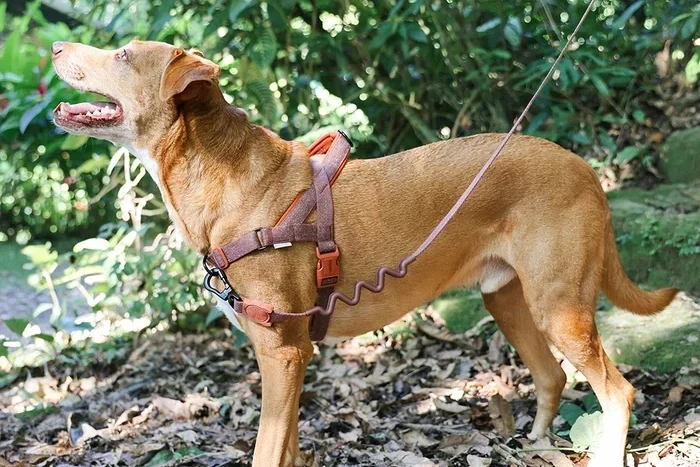
Finding the best dog harness UK option is not simply about choosing the most popular brand or the most attractive design. Dogs have different body shapes, sizes, walking habits and temperaments, so a harness that works brilliantly for one dog may be uncomfortable or unsuitable for another. The ideal harness should provide a secure fit while allowing natural movement, making everyday walks easier for both the dog and owner.
A good harness should also match the way you use it. Some owners need an everyday walking harness, while others need additional control for a strong puller, extra security for an escape-prone dog or a lightweight design for a smaller breed. Important features include adjustability, padding, durability, lead attachment points, visibility and ease of fitting. Looking at these factors together makes it easier to choose a practical option rather than relying on marketing claims.
How to Choose the Right Dog Harness
Fit should be one of the first things to consider when buying a dog harness. A harness that is too loose may move around the body or allow a determined dog to escape, while one that is too tight can cause rubbing and discomfort. Always measure your dog’s body according to the manufacturer’s instructions because sizing can differ considerably between brands, even when two products appear similar.
The dog’s behaviour and daily routine also matter. A calm dog may only need a straightforward back-clip harness, whereas a dog that pulls strongly may benefit from a front-control or dual-clip design. Dogs that spend considerable time outdoors may need stronger materials and additional visibility. Puppies require particular attention because their bodies change quickly, meaning the fit should be checked regularly as they grow.
Top Dog Harnesses for Different Needs
The Ruffwear Front Range is a strong all-round option for everyday walks because it combines comfort, durability and practical lead attachment choices. Its padded construction and versatile design make it suitable for regular neighbourhood walks as well as outdoor activities. For owners of larger or stronger dogs, the Julius-K9 IDC Powerharness is another option worth considering because of its robust construction and useful upper handle.
Dogs that are skilled at escaping conventional harnesses may benefit from a more secure design such as the Ruffwear Web Master, which incorporates an additional belly strap. For unusual body shapes, the PerfectFit Modular Harness can offer greater flexibility through its customisable design. Meanwhile, a Halti Front Control Harness can be useful for owners looking for additional steering when managing a dog that pulls during walks.
No-Pull, Y-Shaped and Dual-Clip Harnesses Explained
No-pull harnesses can provide additional control by changing where the lead connects to the dog. Front-control designs can help redirect a dog when it moves strongly ahead, making them potentially useful during loose-lead training. However, a no-pull harness should not be viewed as a complete solution for pulling. Training, consistency and rewarding appropriate walking behaviour remain important parts of improving lead manners.
Y-shaped and dual-clip harnesses offer different benefits. A well-designed Y-shaped harness can provide useful space around the shoulder area, while dual-clip models allow owners to use either a front or rear attachment depending on the situation. The design itself is not enough to guarantee comfort, however. Correct sizing, strap positioning and freedom of movement should always be checked after the harness has been fitted.
Comfort, Safety and Correct Harness Fitting
A comfortable harness should sit securely without restricting normal movement. Owners should check for rubbing around the chest, shoulders and behind the front legs, as well as signs that the harness is shifting excessively. Padded materials and smooth edges can make a difference during longer walks, while breathable construction may be useful for active dogs. The harness should also remain secure when the dog changes direction, walks quickly or encounters distractions.
Correct fitting is equally important for safety. Follow the manufacturer’s instructions and use the recommended measurements rather than guessing based on breed or weight. Once fitted, allow the dog to move naturally and observe whether the harness remains correctly positioned. Puppies and dogs experiencing weight changes should have their harness checked regularly. Damaged stitching, weakened straps or faulty clips are also reasons to replace a harness.
Dog Harnesses for Small, Large and Active Dogs
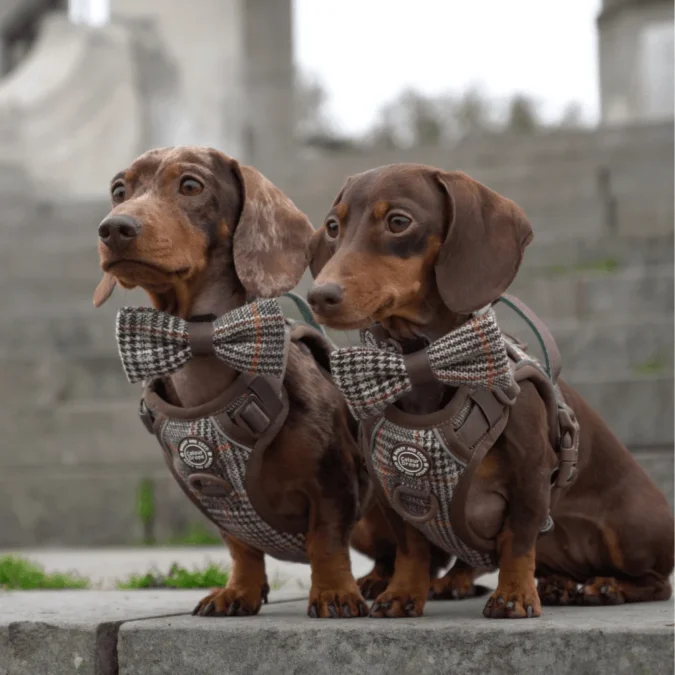
Small dogs often need lightweight harnesses with appropriately sized straps and hardware. A bulky product may feel uncomfortable or interfere with movement, particularly on very small breeds. Large and powerful dogs generally require stronger construction and reliable attachment points, but strength should never come at the expense of a proper fit. A harness should distribute contact appropriately while allowing the dog to walk naturally.
Active dogs may need a harness designed for outdoor use, especially if they regularly accompany their owners on longer walks or adventures. Reflective sections can also be useful for dogs walked during darker mornings or evenings. Regardless of the type of activity, the harness should be inspected regularly for dirt, damaged stitching, stretched straps and worn clips. Proper maintenance helps ensure that equipment remains dependable over time.
Harness vs Collar for Everyday Walking
A harness and collar serve different purposes, so there is no universal answer to which one is better for every dog. A harness provides contact around the dog’s body and can offer useful control during lead walking, particularly for dogs that pull. A collar may still be appropriate for calm dogs and remains useful for identification purposes, depending on the owner’s circumstances and local requirements.
The most important consideration is the individual dog’s comfort and behaviour. Owners should avoid choosing equipment solely because it is fashionable, expensive or highly rated. Instead, consider the dog’s anatomy, walking environment and behaviour. If a dog has significant pulling, anxiety or other behavioural difficulties, suitable training can work alongside appropriate walking equipment. The harness should support responsible handling rather than be expected to solve every problem.
Common Dog Harness Buying Mistakes
One of the easiest mistakes is choosing a harness based mainly on its appearance. Attractive colours and fashionable designs can make a product appealing, but they reveal little about comfort, durability or fit. Another common mistake is choosing a size based only on breed. Dogs of the same breed can have different body proportions, so measurements should always take priority over general breed recommendations.
It is also worth avoiding the assumption that the most expensive harness is automatically the best. Premium products can offer excellent materials and construction, but their value depends on whether they suit the individual dog. Owners should also avoid ignoring signs of wear. Regularly checking buckles, clips, stitching and straps is particularly important when a harness is used frequently or during demanding outdoor activities.
Frequently Asked Questions About Dog Harnesses
What Is the Best Dog Harness UK Option?
There is no single harness that will be ideal for every dog. An all-round design such as the Ruffwear Front Range can suit many everyday walking situations, while dogs with specific requirements may need a different style. Strong pullers, escape-prone dogs, puppies and unusual body shapes can all benefit from specialised features.
What Is the Best Harness for a Dog That Pulls?
A front-control or dual-clip harness can provide additional steering for a dog that pulls. However, equipment should be combined with appropriate loose-lead training. The aim should be to help the dog develop better walking habits rather than relying entirely on the harness to prevent forward movement.
How Should a Dog Harness Fit?
A properly fitted harness should remain secure without being excessively tight or restrictive. It should not slide significantly around the dog’s body, cause rubbing or interfere with natural movement. Owners should follow the manufacturer’s measurement instructions and check the fit regularly, particularly when a puppy is growing or a dog’s weight changes.
Can Dogs Escape From Harnesses?
Yes, some dogs can back out of poorly fitted or unsuitable harnesses. Dogs that are particularly good at escaping may benefit from designs featuring additional security straps. However, even an escape-resistant harness needs to be correctly adjusted. Owners should also inspect the equipment regularly to ensure wear has not weakened its security.
How Long Should a Dog Harness Last?
There is no fixed lifespan because durability depends on the harness materials, frequency of use and walking conditions. A harness should be replaced when its straps become damaged, stitching starts to fail, clips no longer work correctly or it can no longer be adjusted securely. Regular inspections are more useful than following a fixed replacement date.
Conclusion
Choosing the best dog harness UK option comes down to matching the equipment to the individual dog. Comfort, fit, control, durability and intended use should all be considered before making a purchase. An everyday family dog may need a simple padded harness, while a strong puller, escape-prone dog or active outdoor companion may benefit from a more specialised design.
Before buying, measure your dog carefully and read the manufacturer’s fitting instructions. Check the harness after your dog starts moving and continue monitoring its condition over time. The right harness should provide reliable control without unnecessarily restricting movement. When combined with sensible walking practices and appropriate training, a well-fitted harness can make everyday outings more comfortable, secure and enjoyable.
You may also read The Hut Colwell Bay: What Makes It Special