



Introduction
The Flamingo Land Loch Lomond proposal has become one of the most widely discussed tourism and planning projects in Scotland. Originally presented as the Lomond Banks development, the project aimed to transform a site at Balloch on the southern shores of Loch Lomond into a modern holiday destination featuring accommodation, leisure facilities, restaurants, and outdoor attractions. While supporters viewed the proposal as a major opportunity for tourism growth and local investment, opponents raised significant concerns about its environmental impact, planning policies, and long-term effects on one of Scotland’s most treasured natural landscapes.
Public interest has continued to grow as the project moved from the planning stage to government review and, more recently, legal proceedings. The proposal has sparked conversations far beyond the local community, attracting attention from conservation organisations, tourism experts, businesses, and policymakers. Understanding the history, planning decisions, and current legal position provides valuable insight into why the development remains one of Scotland’s most closely followed planning stories.
What Is Flamingo Land Loch Lomond?
Flamingo Land Loch Lomond refers to a proposed tourism resort that was planned for Balloch, located on the southern edge of Loch Lomond within the Loch Lomond and The Trossachs National Park. Although the Flamingo Land brand is traditionally associated with its well-known Yorkshire theme park, the Scottish proposal was designed with a different vision. Instead of rollercoasters and amusement rides, the development focused on creating a family-friendly holiday destination centred on nature, relaxation, and sustainable tourism experiences.
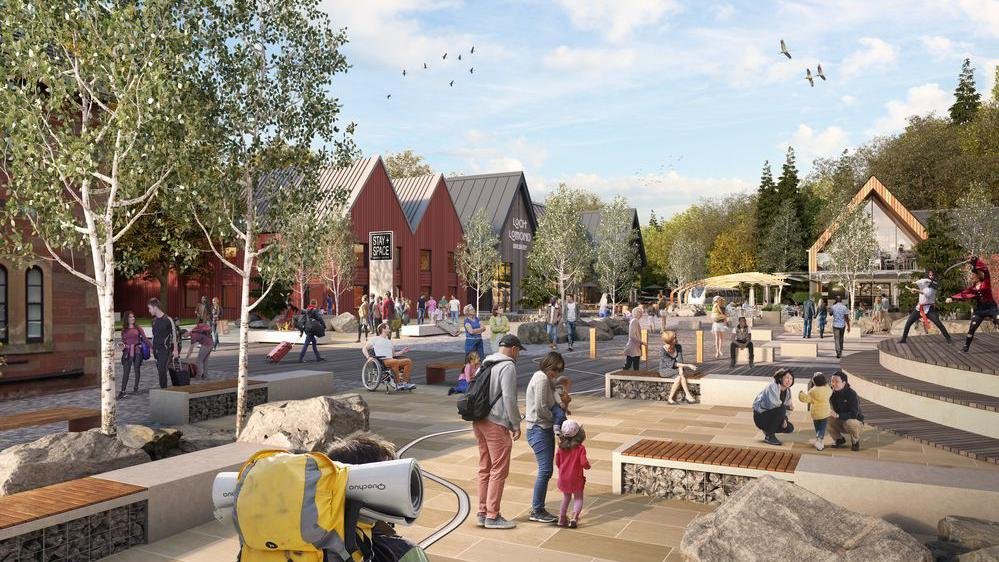
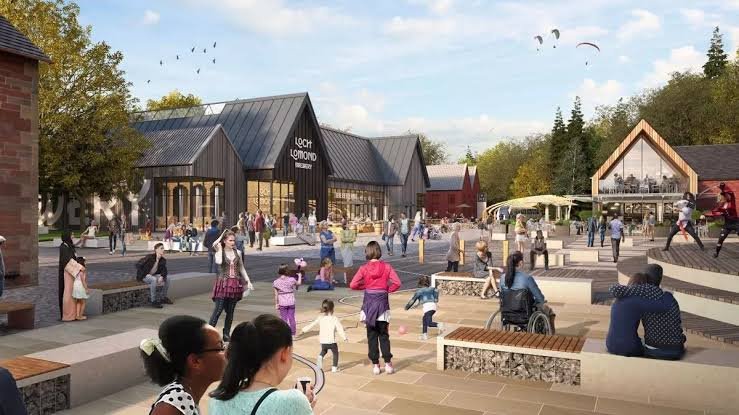
The proposal was marketed under the name Lomond Banks, reflecting an ambition to create accommodation and visitor facilities that would blend with the surrounding environment. Plans included woodland lodges, hotels, cafés, restaurants, recreational spaces, walking routes, and leisure attractions intended to encourage year-round tourism. Developers argued that the project would improve visitor facilities while supporting the local economy, although critics questioned whether such a large-scale development was appropriate for a nationally protected landscape.
Overview of the Proposed Lomond Banks Resort
The proposed resort was designed as a comprehensive tourism destination capable of welcoming families, couples, and international visitors throughout the year. Development plans included more than one hundred woodland lodges alongside hotels, restaurants, retail spaces, visitor facilities, and landscaped public areas. Recreational attractions such as a water-based leisure facility and improved pedestrian connections formed part of the wider master plan, with developers aiming to create an attractive destination that complemented the natural surroundings rather than competing with them.
Unlike many people initially assumed, the proposal was never intended to recreate the traditional Flamingo Land theme park experience in Scotland. Instead, it focused on outdoor recreation, sustainable tourism, and high-quality accommodation within an area already recognised for its exceptional scenery. According to the developers, careful architectural design and environmental management would minimise visual impact while providing facilities capable of increasing visitor numbers and supporting local businesses throughout every season.
Why the Project Was Proposed
The primary purpose behind the project was to strengthen tourism within one of Scotland’s most visited regions. Supporters believed additional accommodation and visitor facilities would encourage travellers to spend more time in the area, resulting in increased spending at local shops, cafés, restaurants, transport services, and outdoor activity providers. They argued that modern tourism infrastructure would help maintain Loch Lomond’s position as one of the country’s leading visitor destinations while creating new opportunities for businesses and residents alike.
Developers also highlighted the potential economic benefits associated with the investment. Construction work, hospitality employment, property maintenance, retail operations, and visitor services were expected to generate both temporary and long-term jobs. Supporters maintained that the project could improve regional economic resilience by attracting visitors beyond the traditional summer season, helping local businesses operate more successfully throughout the year rather than relying heavily on seasonal tourism.
Planning History and Key Decisions
The planning journey for the project has been lengthy and complex. Before any construction could begin, detailed proposals underwent consultation and formal assessment through the planning system. Local authorities, planning specialists, environmental organisations, businesses, and members of the public were all given opportunities to examine the application and submit comments regarding its potential impact. This extensive review reflected the importance of protecting nationally significant landscapes while carefully considering proposals for economic development.
After reviewing the application, the Loch Lomond and The Trossachs National Park Authority refused planning permission, citing several concerns related to environmental protection and planning policy. The developers appealed the decision, hoping Scottish ministers would overturn the refusal. However, following a detailed assessment of the evidence, ministers upheld the rejection. That outcome marked another significant stage in the project, although it did not bring the matter to a close because legal proceedings were later initiated.
Why the Development Was Rejected
The refusal was based on several planning considerations rather than a single issue. One of the most important concerns involved the environmental impact of constructing a large tourism resort within a nationally protected landscape. Decision-makers concluded that aspects of the proposal could negatively affect ancient woodland, biodiversity, natural habitats, and the overall character of the National Park. These environmental concerns were considered alongside planning policies designed to preserve areas of exceptional natural beauty for future generations.
Flood risk represented another major factor influencing the final decision. Planning authorities examined technical assessments relating to water management, climate resilience, and long-term environmental sustainability before determining that the proposal did not fully satisfy relevant planning requirements. Officials also considered landscape impacts, infrastructure pressures, and compatibility with wider development policies, ultimately concluding that the project conflicted with important planning objectives intended to safeguard the area’s environmental significance.
Environmental Impact and Conservation Concerns
Environmental organisations consistently argued that Loch Lomond represents one of Scotland’s most valuable natural environments and should be protected from large-scale commercial development. Conservation groups highlighted the importance of preserving ancient woodland, protecting wildlife habitats, and maintaining ecological balance throughout the National Park. They also emphasised that certain environmental losses cannot easily be reversed once development begins, making precaution an essential part of responsible planning decisions.
Beyond ecological concerns, campaigners questioned whether increased visitor numbers, additional traffic, expanded infrastructure, and ongoing maintenance activities could place extra pressure on sensitive natural environments. Many conservation experts supported investment in tourism but believed future projects should prioritise smaller-scale developments that work more closely with existing landscapes. This debate illustrates the wider challenge faced by governments worldwide when balancing economic growth with environmental protection.
Community Response and Public Opinion
Public opinion surrounding Flamingo Land Loch Lomond has remained divided from the beginning. Supporters argued that the development could create employment opportunities, attract new investment, and improve tourism infrastructure in Balloch and surrounding communities. Many local businesses believed additional visitors would increase demand for accommodation, restaurants, retail services, outdoor activities, and transport providers, producing wider economic benefits beyond the proposed resort itself.
Opposition groups, however, organised extensive campaigns calling for the proposal to be rejected. Environmental charities, local residents, and national conservation organisations expressed concerns about protecting Loch Lomond’s internationally recognised landscape. Public petitions attracted significant support, demonstrating the strength of feeling among those who believed preserving natural heritage should remain the highest priority. The discussion ultimately became one of Scotland’s most prominent examples of the ongoing debate between sustainable economic development and environmental conservation.
Political and Government Involvement
The project involved multiple levels of government throughout the planning process. The Loch Lomond and The Trossachs National Park Authority was responsible for assessing the original application against planning policies, environmental regulations, and development objectives. Following the authority’s refusal, the appeal process transferred responsibility to Scottish ministers, who reviewed planning evidence, consultation responses, and legal considerations before reaching a final decision.
Government involvement demonstrated the complexity of approving developments within protected landscapes. Ministers were required to balance economic opportunities with environmental responsibilities while ensuring decisions complied with national planning legislation. Their decision to refuse the appeal reflected the importance placed on conservation, planning consistency, and long-term sustainability. At the same time, it highlighted how major tourism proposals often involve careful consideration of competing public interests rather than straightforward economic calculations.
Court Challenge and Legal Proceedings
Following the refusal of planning permission, the developers behind Flamingo Land Loch Lomond chose to challenge the decision through Scotland’s Court of Session. Rather than submitting a completely new planning application, the legal action focuses on whether the planning and appeal process was carried out fairly and in accordance with Scottish planning law. The developers have argued that there were procedural issues that should be reviewed by the court before the project is considered permanently closed.
It is important to understand that the court is not deciding whether the resort should be built. Instead, the judges are examining whether the decision-making process complied with legal requirements. If the court finds that errors were made, the planning decision could be reconsidered by the relevant authorities. If the court upholds the government’s decision, the refusal will remain in place unless a substantially revised proposal is submitted in the future.
Current Project Status
At the time of writing, the Flamingo Land Loch Lomond proposal has not received planning approval, and no construction work has started. The development remains on hold while legal proceedings continue. This means visitors to Balloch and Loch Lomond will not see any physical changes connected to the proposed resort until the legal process has concluded and any future planning decisions are made.
Although the project remains uncertain, it continues to attract attention because of its potential impact on tourism, conservation, and regional development. Planning experts note that large-scale developments within protected landscapes often involve lengthy legal and regulatory processes. Until the current court proceedings are resolved, the future of the proposal remains unclear, and all parties involved continue to await the next stage of the legal process.
Potential Economic Benefits
Supporters of the development believe the project could bring meaningful economic benefits to the wider Loch Lomond area if it were eventually approved. New accommodation, restaurants, visitor facilities, and leisure attractions could create employment opportunities across hospitality, construction, maintenance, retail, and tourism services. Increased visitor numbers could also generate additional income for independent businesses throughout Balloch and neighbouring communities.
Long-term investment could encourage improvements to local infrastructure while strengthening the area’s reputation as a year-round tourism destination. Rather than relying mainly on seasonal visitors, supporters believe modern visitor facilities could help attract travellers during quieter months, creating greater financial stability for businesses that depend on tourism. These potential benefits remain one of the strongest arguments presented by those in favour of the project.
Environmental and Social Considerations
While economic opportunities are important, environmental protection remains central to discussions surrounding the proposal. Loch Lomond is internationally recognised for its natural beauty, diverse wildlife, and protected habitats. Planning authorities must carefully evaluate whether new developments can coexist with these valuable environmental assets without causing irreversible damage to the landscape or local ecosystems.
The debate has also highlighted broader questions about sustainable tourism. Many experts agree that tourism should continue to support local economies while protecting the very landscapes that attract visitors in the first place. This balance is becoming increasingly important as governments respond to climate change, biodiversity protection, and responsible land management. The discussion surrounding this proposal reflects wider planning challenges faced by protected destinations across the United Kingdom and beyond.
What This Means for Visitors
For people planning a trip to Loch Lomond, the current planning dispute has no impact on the visitor experience. The National Park continues to offer spectacular scenery, walking trails, cycling routes, boat cruises, historic attractions, wildlife experiences, and outdoor activities throughout the year. Balloch remains one of the main gateways to the park and provides accommodation, restaurants, shopping, and family-friendly attractions for visitors of all ages.
Anyone interested in following the development should rely on official planning announcements and verified news sources rather than speculation on social media. Legal cases involving major developments can take time, and updates may emerge gradually. Regardless of the final outcome, Loch Lomond continues to be one of Scotland’s most popular destinations, offering countless opportunities to enjoy its natural landscapes and cultural heritage.
Looking Ahead
The future of Flamingo Land Loch Lomond will largely depend on the outcome of the ongoing legal proceedings and any future planning decisions. If the court requires parts of the process to be reconsidered, the proposal may return to planning authorities for further review. Alternatively, if the current decision is upheld, developers may choose to redesign elements of the project before pursuing a fresh application that better addresses environmental and planning concerns.
Whatever happens next, this case is likely to influence future tourism developments within protected landscapes across Scotland. It demonstrates the importance of balancing investment, employment, conservation, and public opinion when making decisions that affect nationally significant locations. The outcome may also provide valuable guidance for developers planning similar projects in environmentally sensitive areas.
Frequently Asked Questions
Is Flamingo Land building a resort at Loch Lomond?
No. Planning permission has not been granted, and construction has not begun. The proposal remains subject to legal proceedings following the refusal of planning approval.
What is the Lomond Banks project?
Lomond Banks is the name given to the proposed tourism development at Balloch. The plans included woodland lodges, hotels, restaurants, visitor facilities, and leisure attractions designed to encourage year-round tourism.
Why was the planning application rejected?
Planning authorities identified concerns relating to environmental impact, flood risk, landscape protection, biodiversity, and compliance with planning policies within the National Park.
What is the current court case about?
The legal proceedings examine whether the planning and appeal process followed the correct legal procedures. The court is not deciding whether the resort should be built but whether the decision-making process was lawful.
Could the proposal return in the future?
Yes. Depending on the outcome of the legal proceedings, the project could be reconsidered or developers could submit a revised planning application that addresses the concerns raised during the original assessment.
Does the proposal affect tourism at Loch Lomond today?
No. Visitors can continue to enjoy Loch Lomond’s attractions, accommodation, outdoor activities, and scenic landscapes as normal because the proposed development has not been built.
Conclusion
The Flamingo Land Loch Lomond proposal has become one of Scotland’s most significant planning debates, highlighting the difficult balance between economic development and environmental conservation. Supporters believe the resort could bring investment, jobs, and improved tourism facilities, while opponents argue that protecting the unique character of Loch Lomond should remain the highest priority. Both perspectives reflect legitimate concerns about the future of one of the country’s most valued natural landscapes.
As the legal process continues, the project’s future remains uncertain. Whether the court upholds the existing planning decision or requires further consideration, the outcome will shape future discussions about sustainable tourism and development within protected environments. For now, Loch Lomond continues to welcome visitors from around the world, offering outstanding natural beauty while the next chapter of this closely watched proposal unfolds.
You may also read What Is Voyeurism? Breaking Down the Core Definition